

Upcoming events
1./2.10.26: 10th Sustainable Finance Summit
The German economy faces enormous challenges. Beyond the immediate need to return to a growth trajectory, businesses must fundamentally reshape their models to become future-proof and resilient. That implies that organisations must poperly account for climate- and nature-related opportunities and risks.
This raises a number of pressing questions: What is the political and economic ambition? What is the path to get there? Who pays the bill for the transformation? And what does it take to finance innovative projects? Digital technologies and artificial intelligence play an increasingly important role in supporting transformation processes and enabling better-informed decisions.
The Sustainable Finance Summit tackles these questions head-on. This year’s event runs under the theme “Sustainable Finance: Bridging the Gap Between Finance and the Real Economy” and thereby putting the spotlight on the need for close collaboration between corporates and the financial sector to contribute to a sustainable future.
Join us for thought-provoking keynotes from policy, business and academia, lively panel debates and interactive workshops.
When: 01.–02. Oktober 2026, with pre-conference evening event on 30.09.
Where: Frankfurt School & Commerzbank, Frankfurt am Main5.10.26: 3rd Hamburger Sustainable Finance Summit
For the third year in a row, Hamburg is hosting the 3rd Hamburg Sustainable Finance Summit 2026 – Financing Transformation for a Sustainable Future for Hamburg on October 5, 2026 – alongside our own 10th Sustainable Finance Summit.
Time: 9:30 AM – 4:30 PM, doors open at 9:00 AM
Location: Handwerkskammer Hamburg, Holstenwall 12, 20355 HamburgFurther details can be found on the website of Finance City Hamburg
Events in retrospect
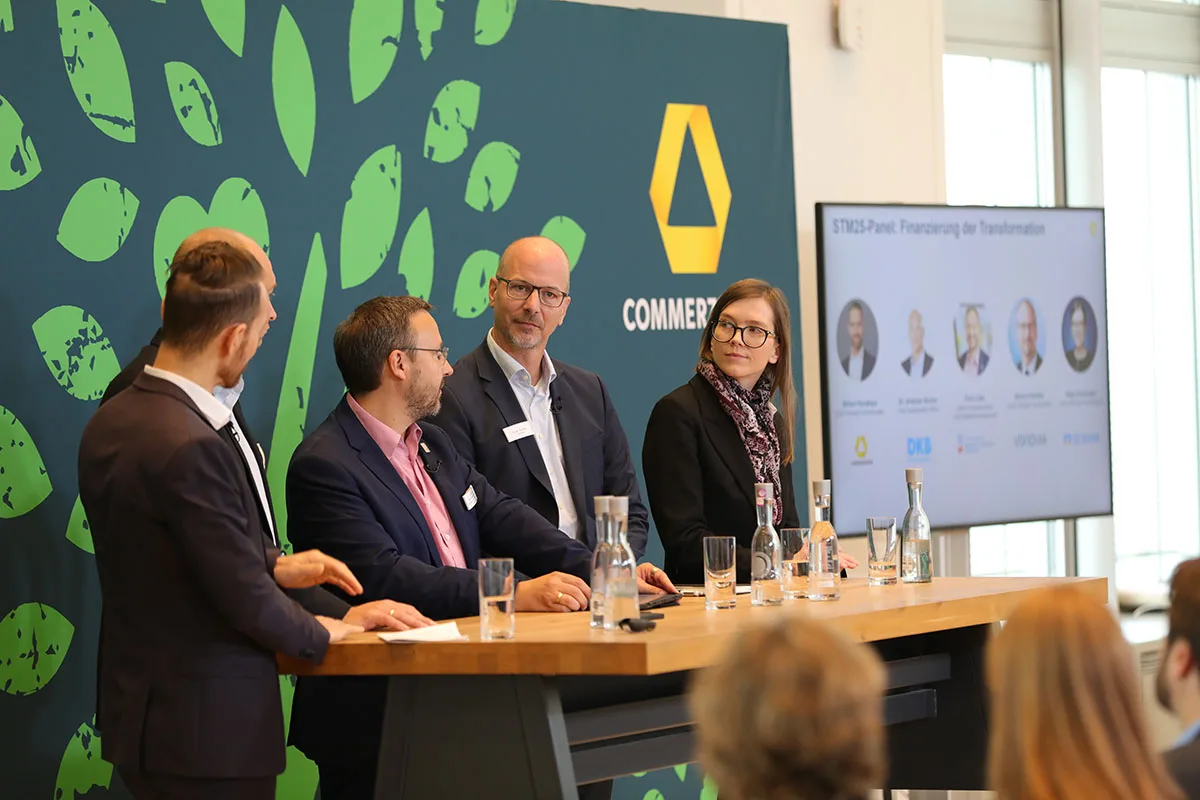
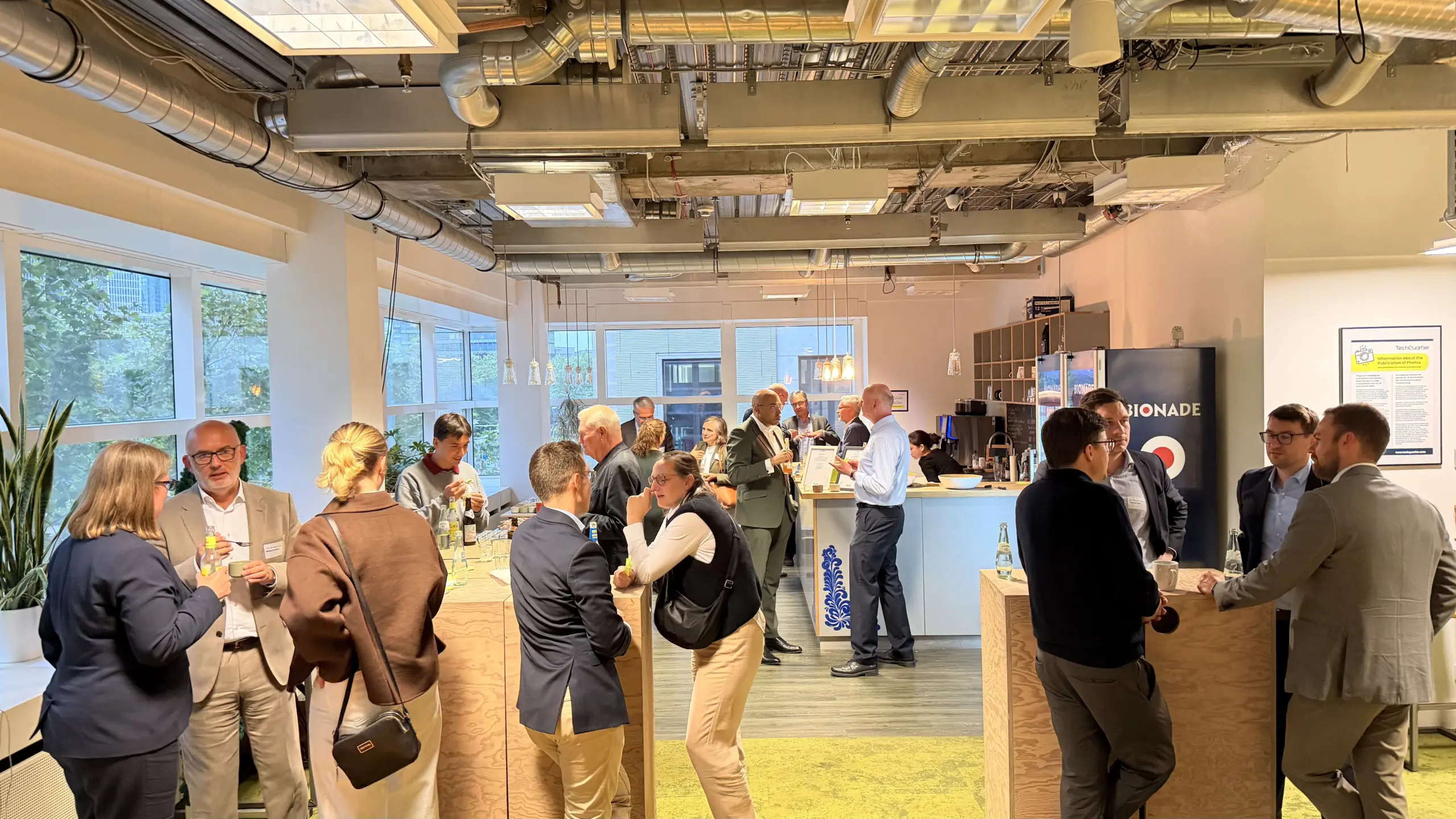
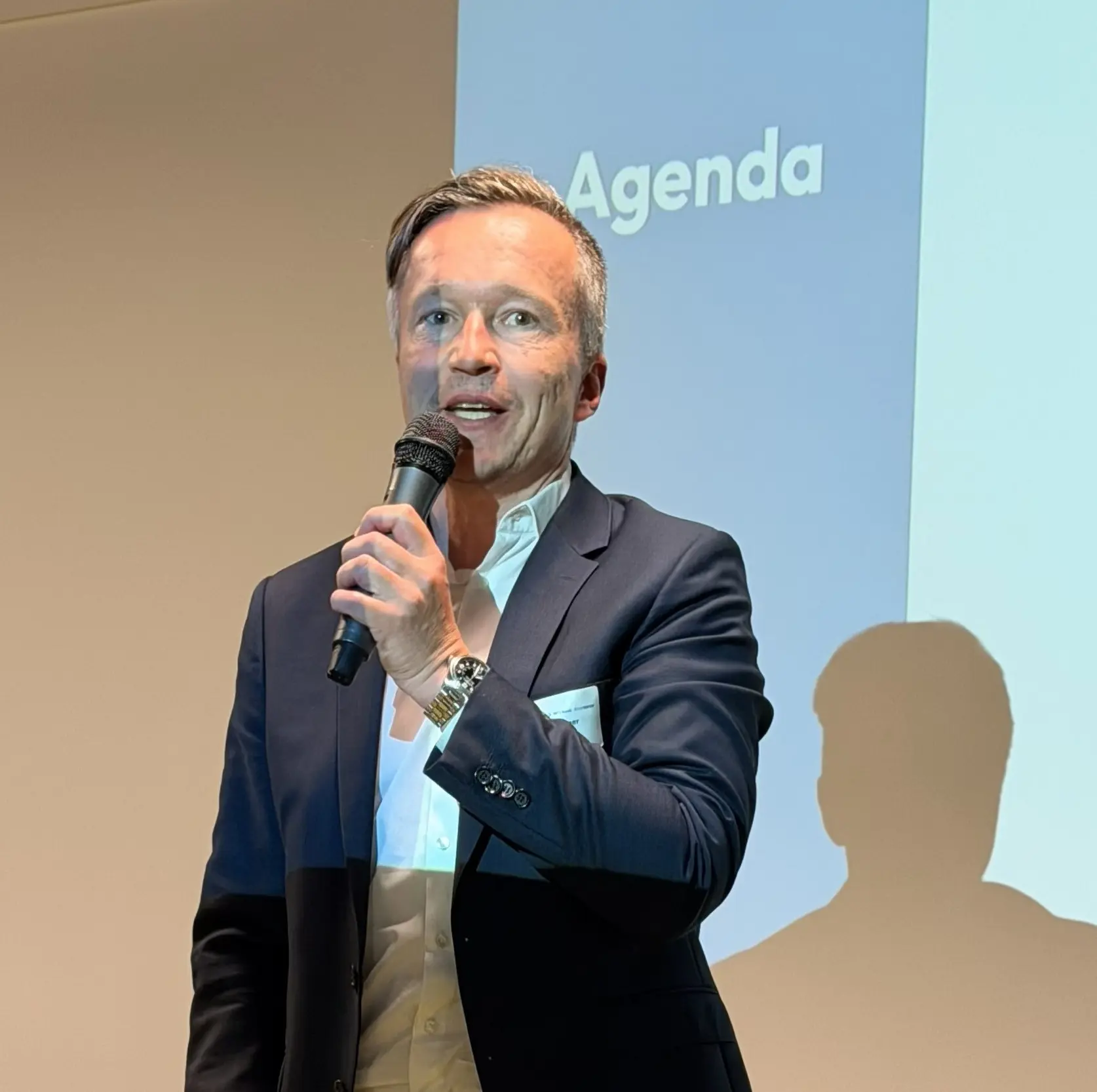
07.05.26: STM 26 – From the Sustainability Transformation Monitor to Transition Finance
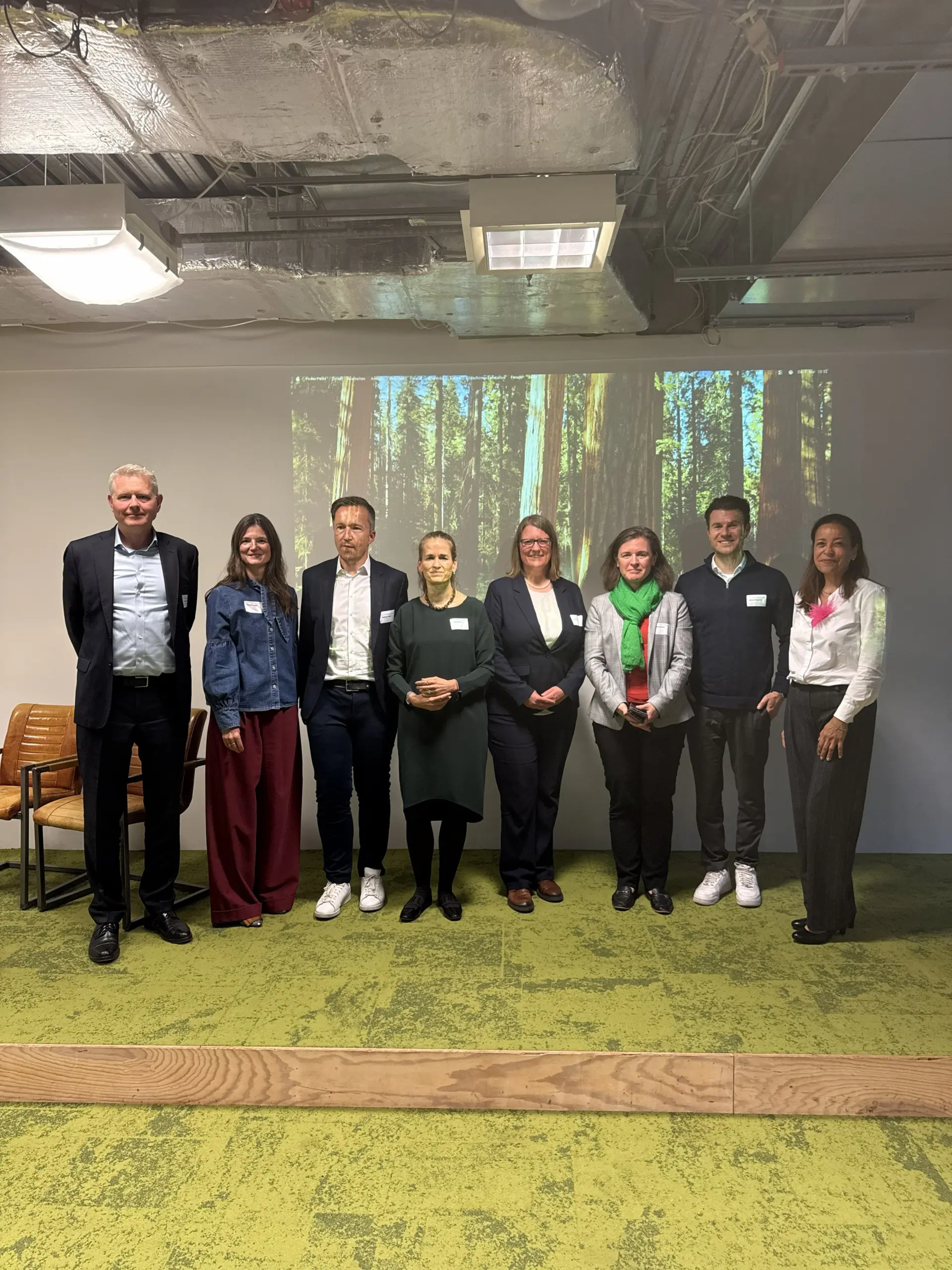
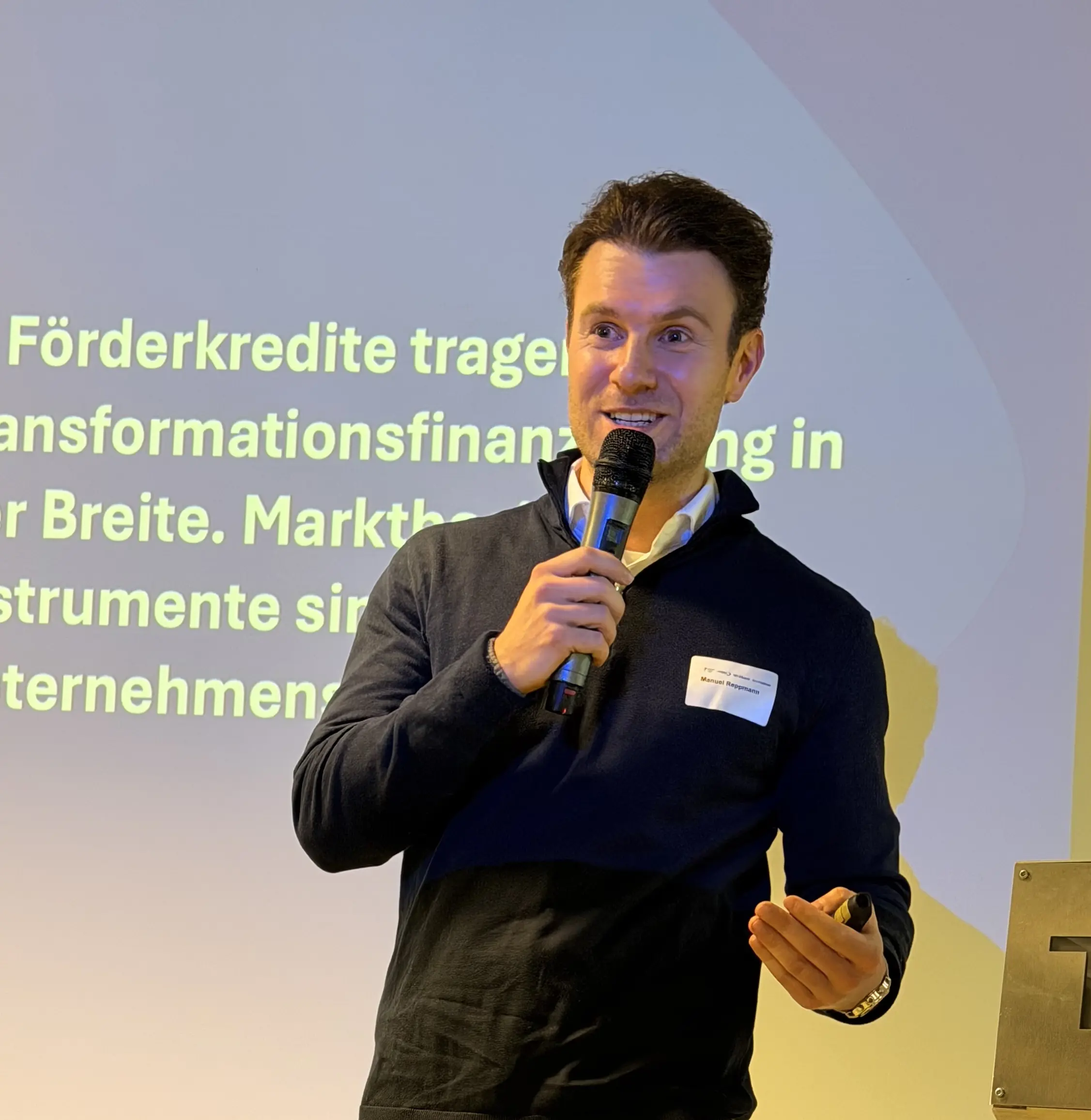
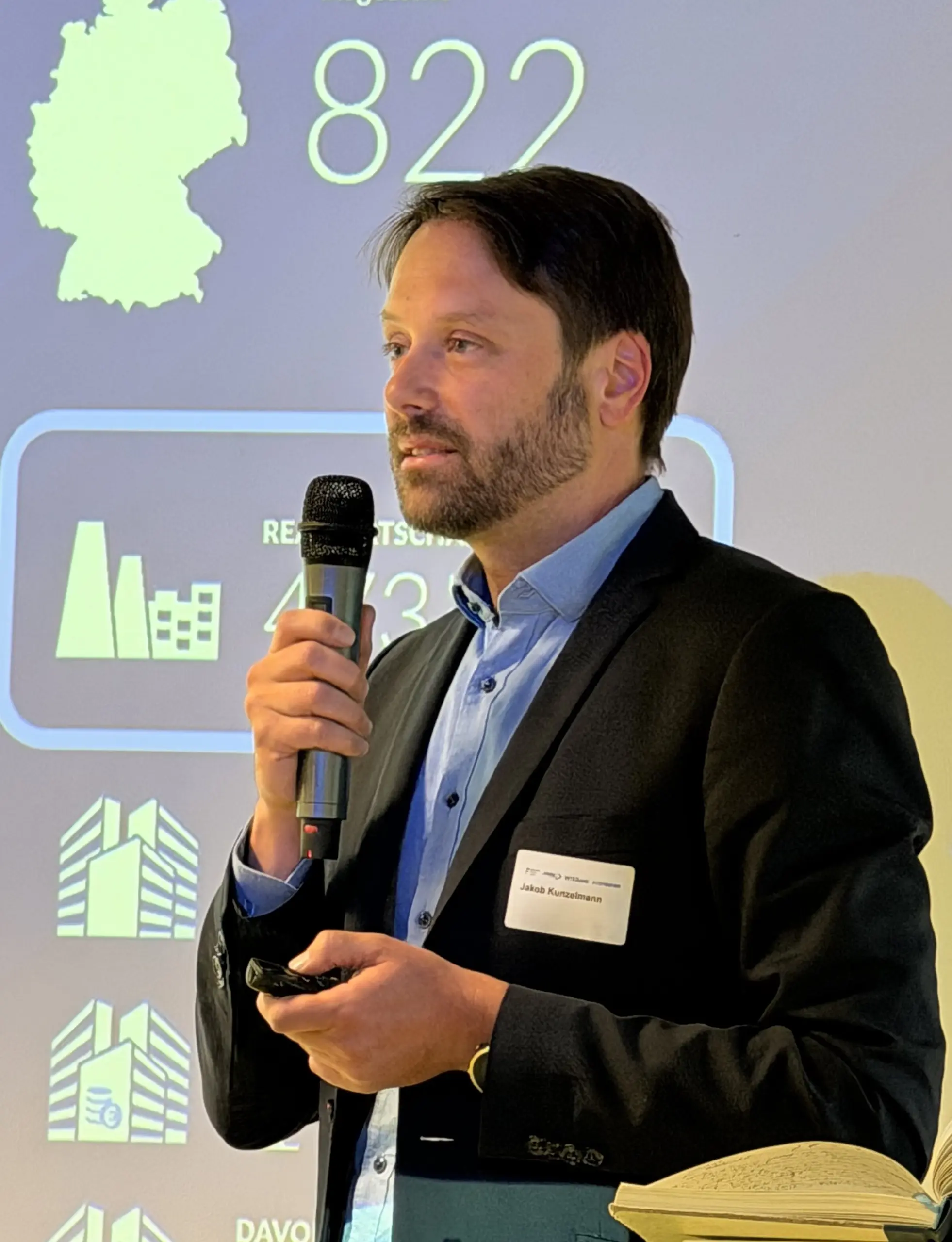
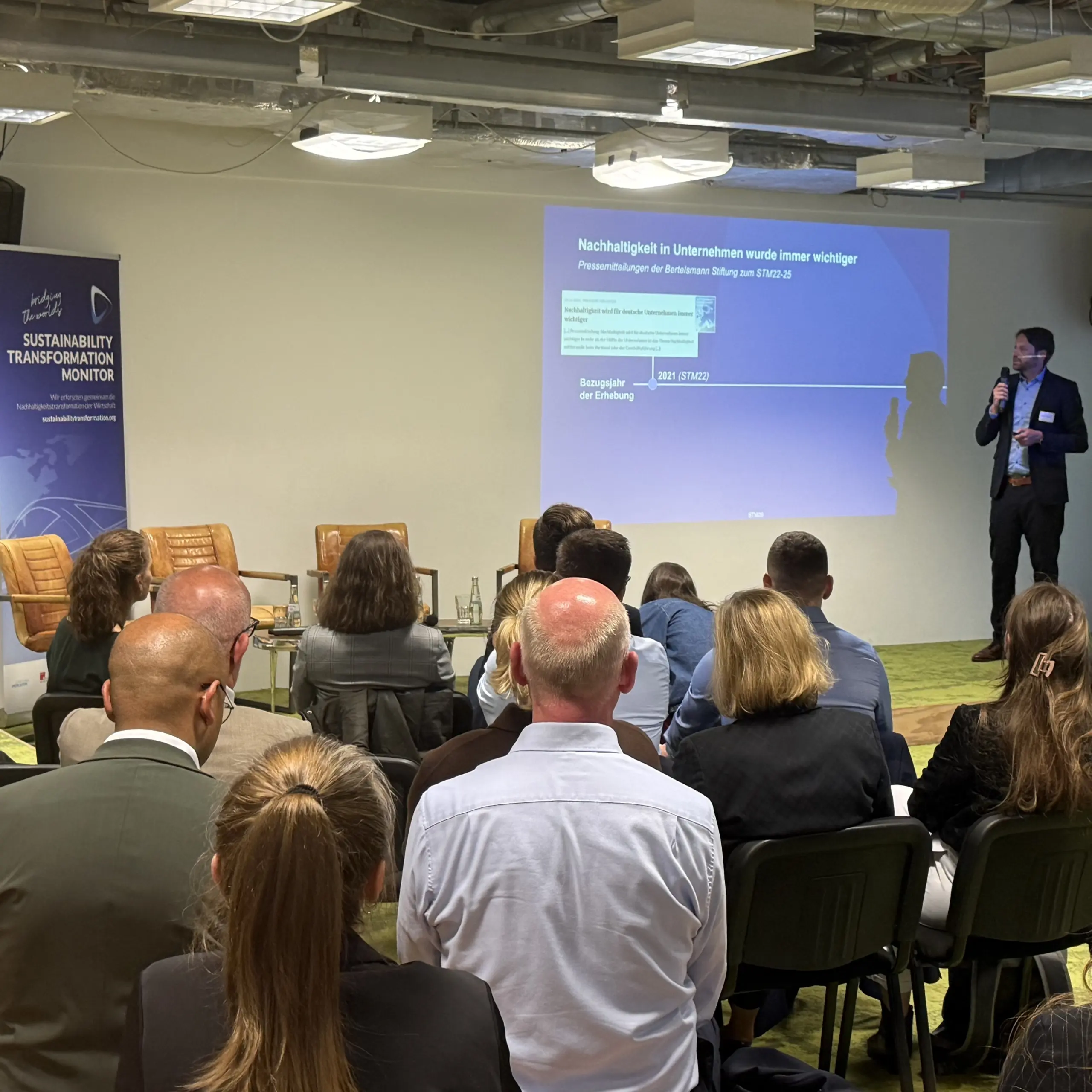
At the STM26 event, Jakob Kunzlmann (Bertelsmann Stiftung) and Dr. Manuel Reppmann (University of Hamburg) presented the results of Germany’s largest survey of banks on sustainability. The picture is sobering: the perceived relevance of sustainability is declining, only 15% of companies are “on track” with climate targets and transition plans, and 83% see no business case. On the positive side: data quality and strategic integration are improving.
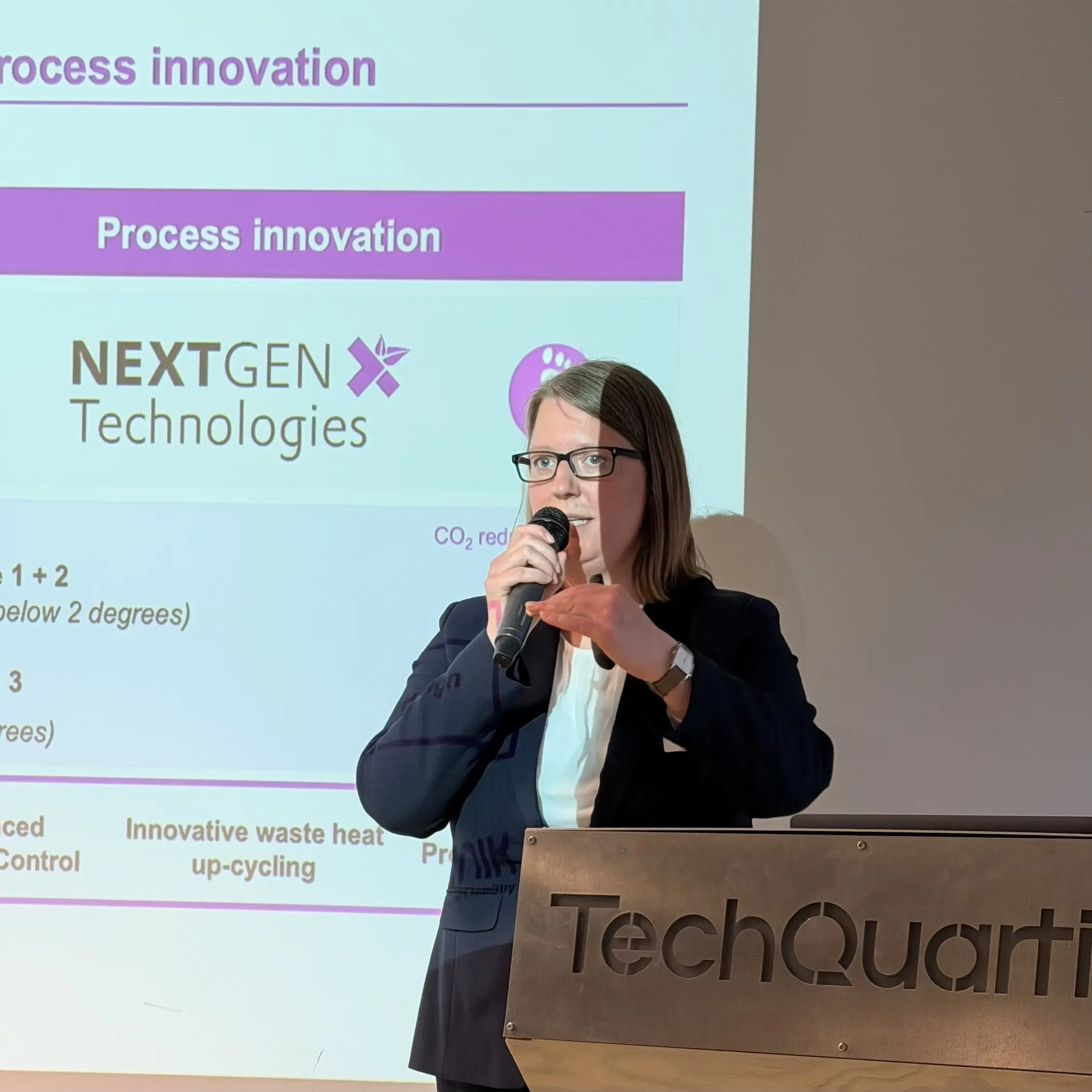
Using Evonik as an example, Sabine Kuznik demonstrated how sustainability functions as an integral part of strategy: with clear goals for handprint, footprint, and heartprint – ranging from Next Generation Solutions and SBTi-validated emissions reductions to integration into executive compensation.
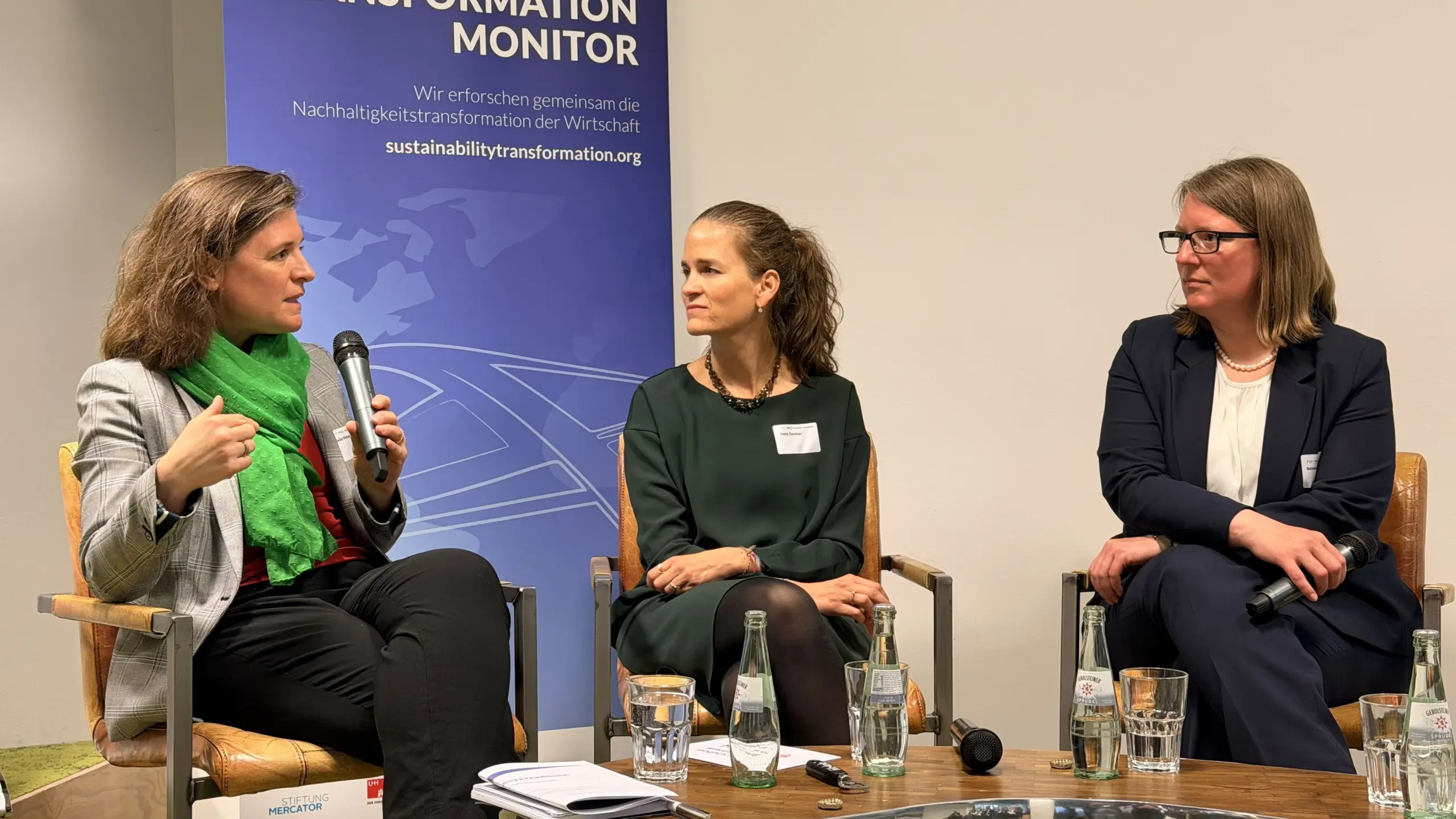
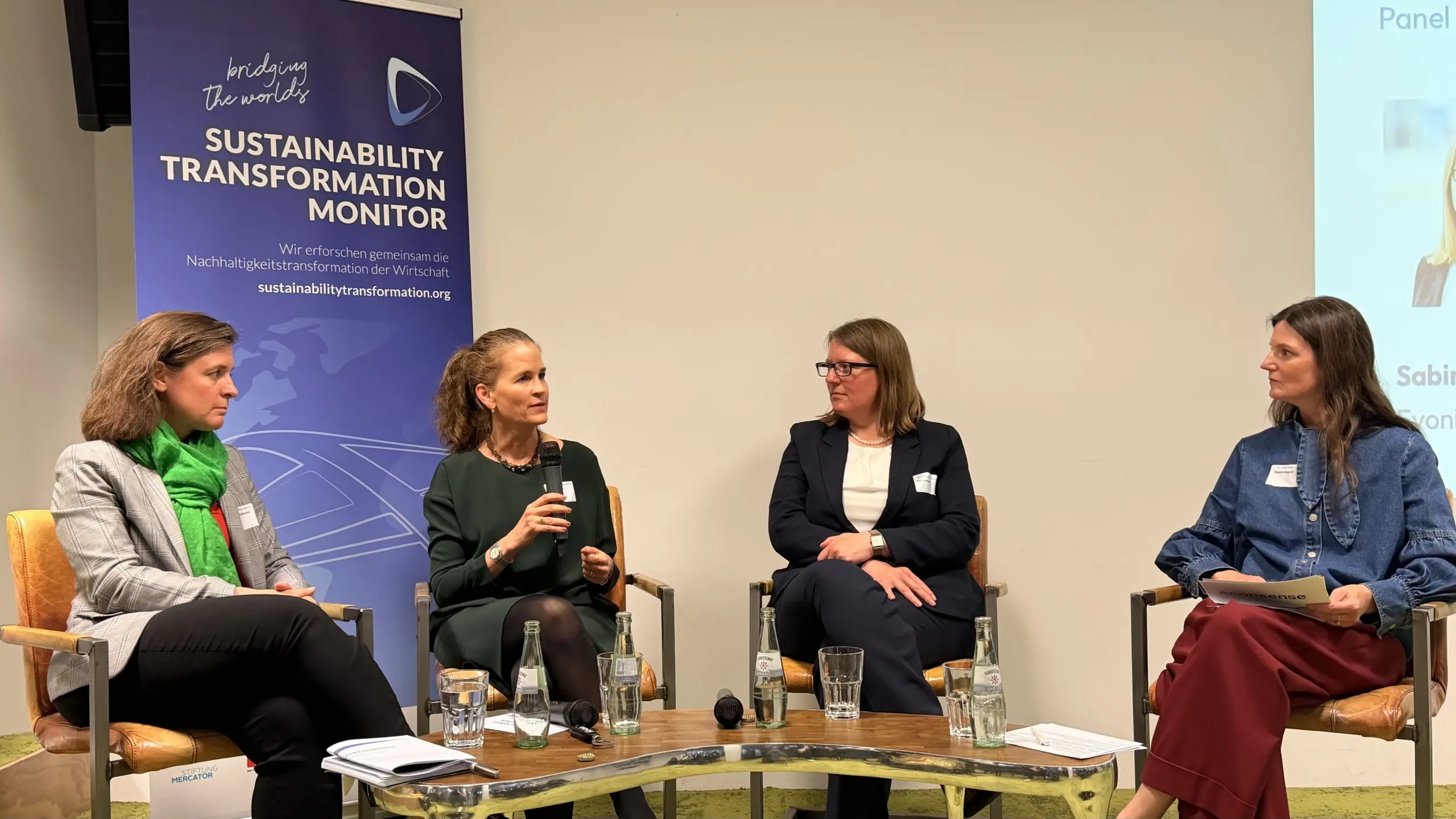
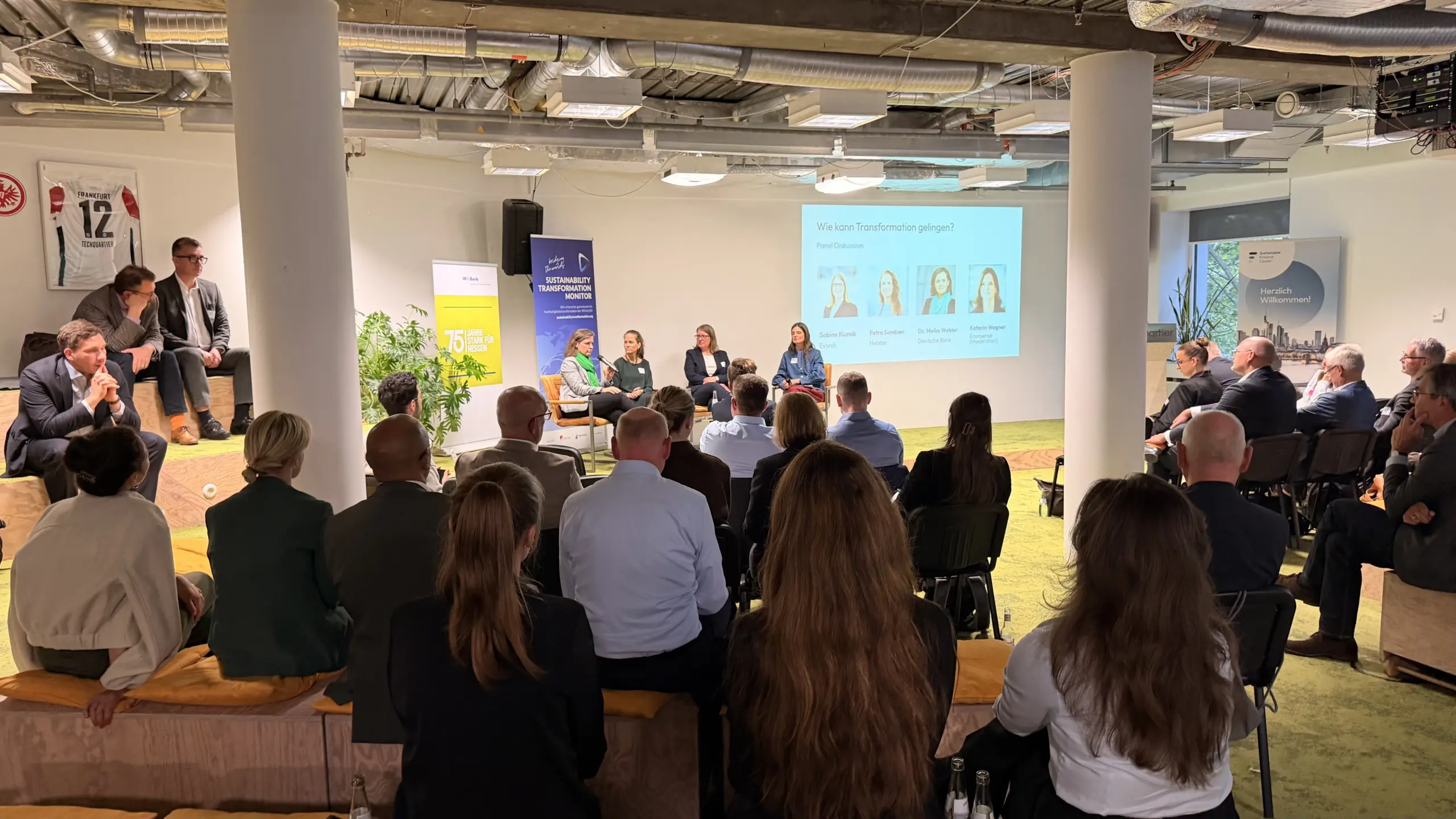
Moderated by Katarin Wagner (econsense) in the subsequent panel, Sabine Kuznik (Evonik), Dr. Meike Webler (Deutsche Bank), and Petra Sandner (Helaba) discussed the practice of transformation financing. Conclusion: The structures are in place, the data is improving – but transformation will only succeed if the real economy and the financial sector jointly develop decarbonization pathways and view sustainability as a genuine business case.
The Sustainable Finance Cluster organized this event in collaboration with econsense – Forum for Sustainable Development of German Business e.V. and the Wirtschafts- und Infrastrukturbank Hessen (WIBank) at the TechQuartier in Frankfurt.
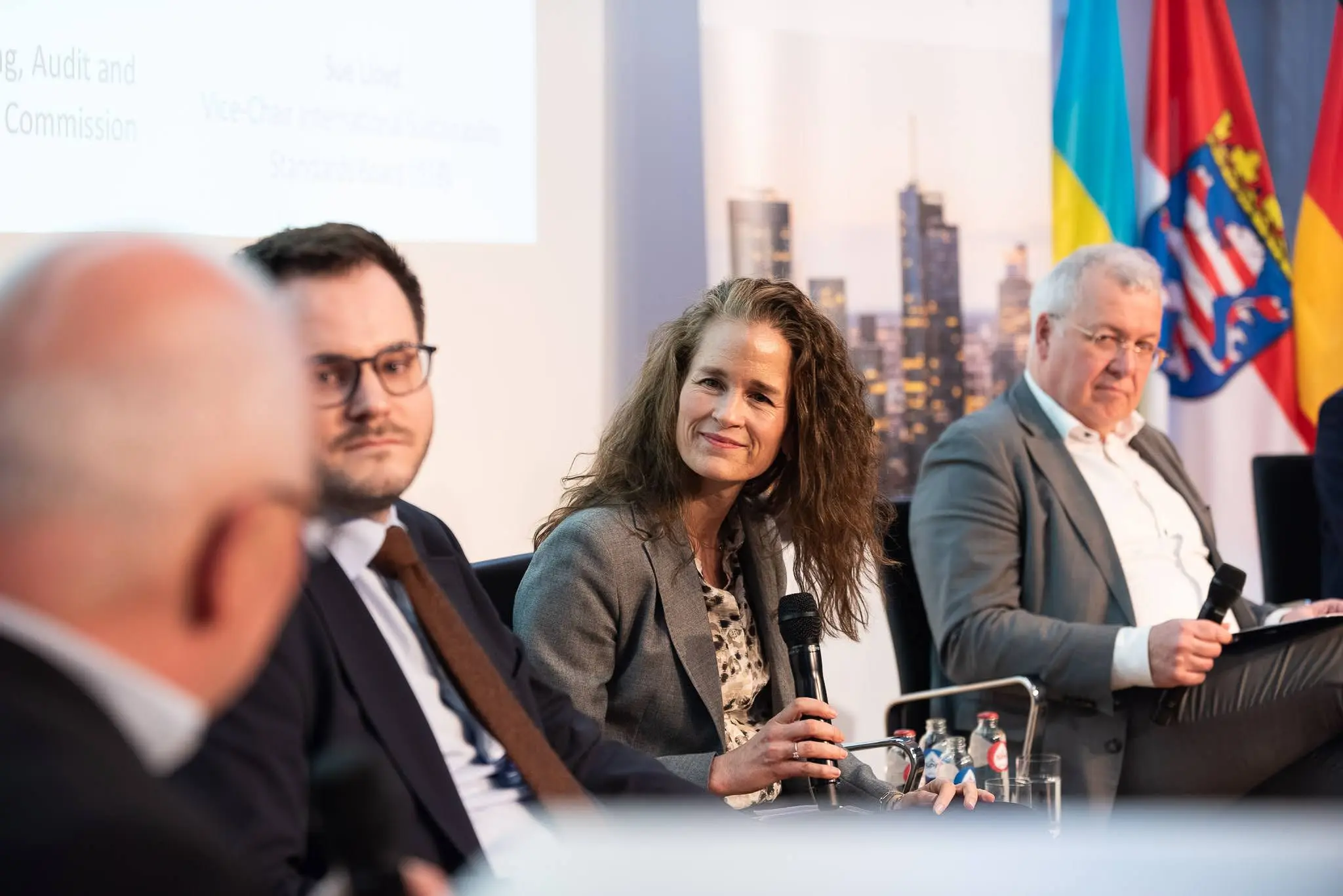
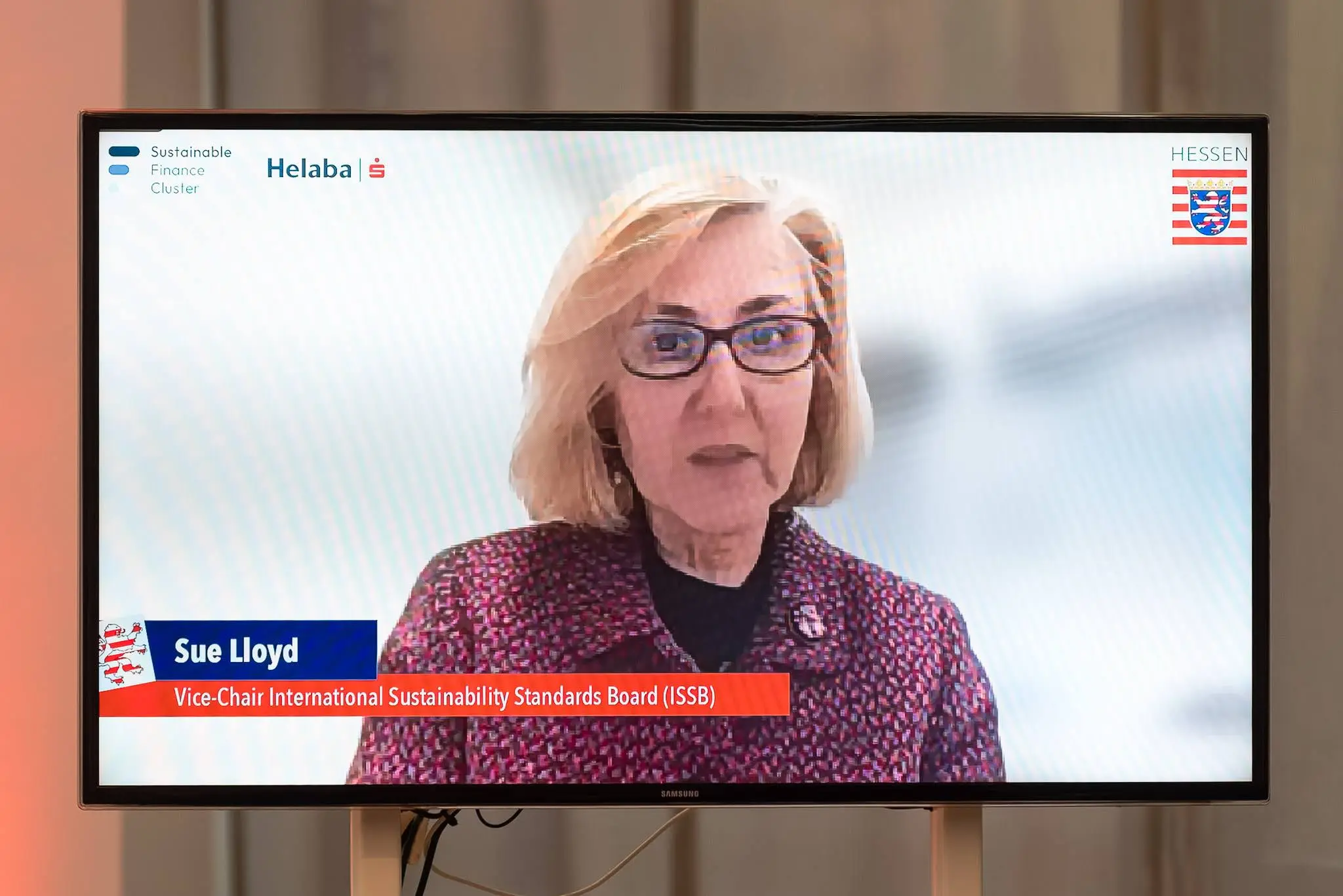
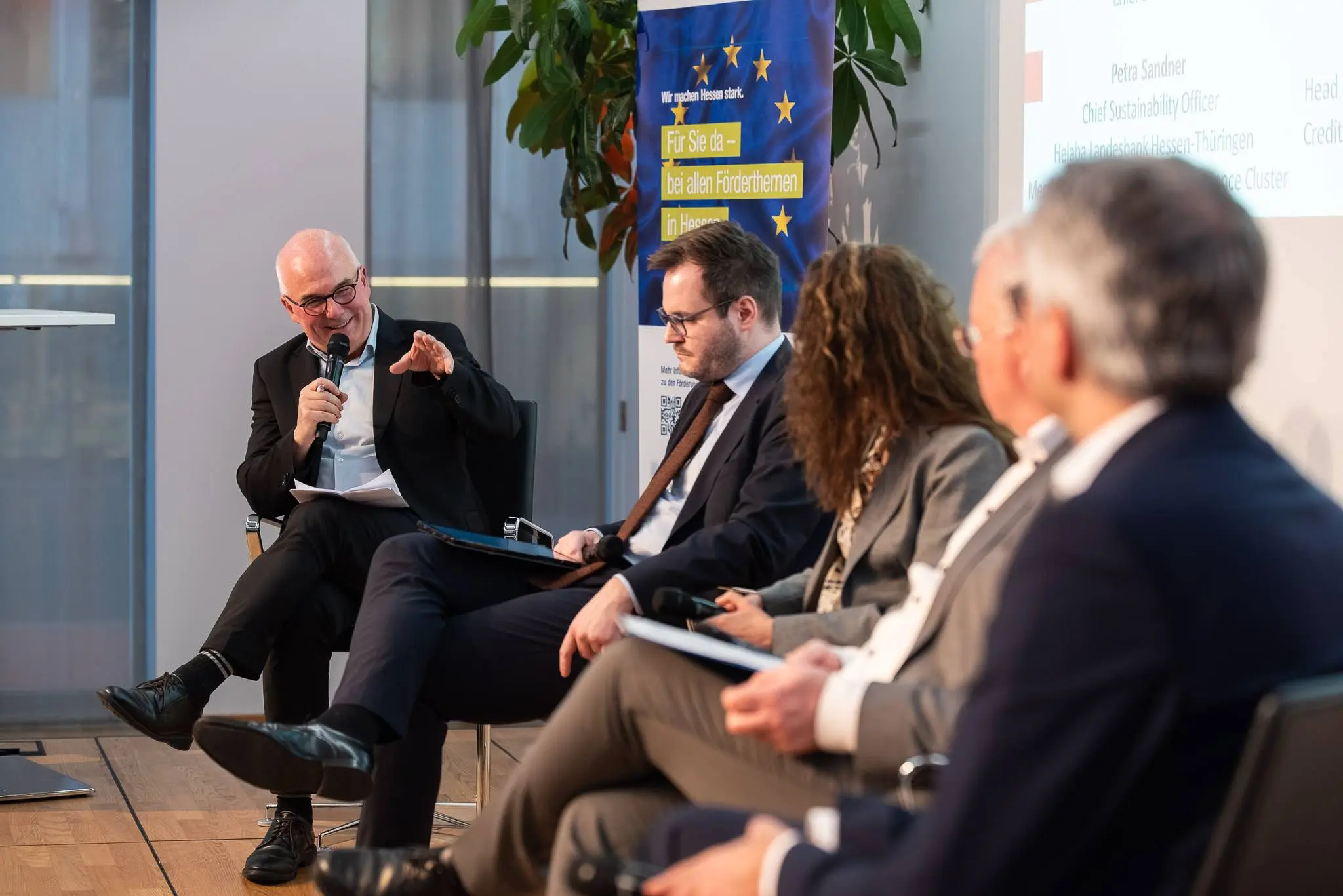
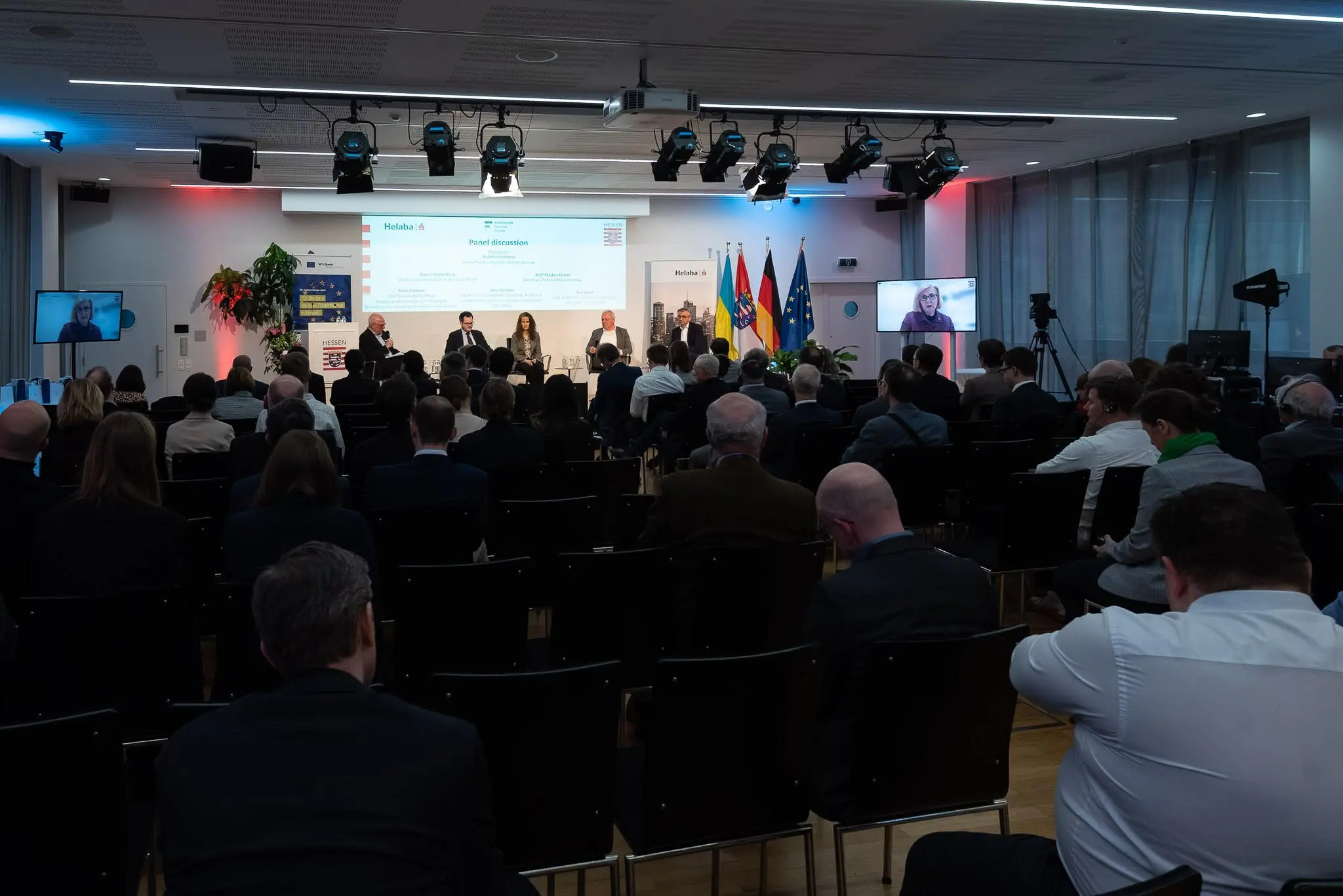
25.03.26: Finance in Europe: Sustainability Reporting according to CSRD und ISSB – are two frameworks one too many?
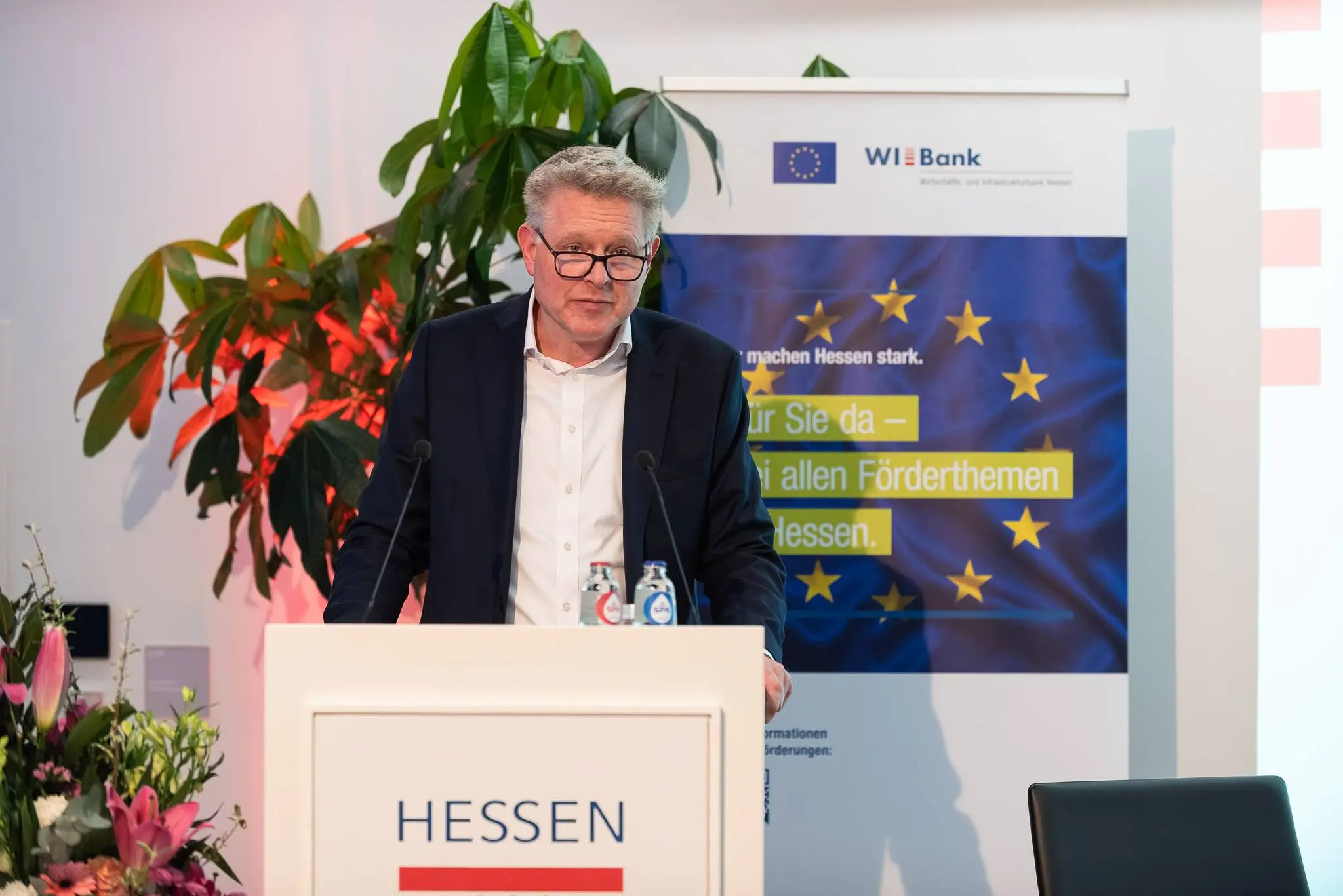
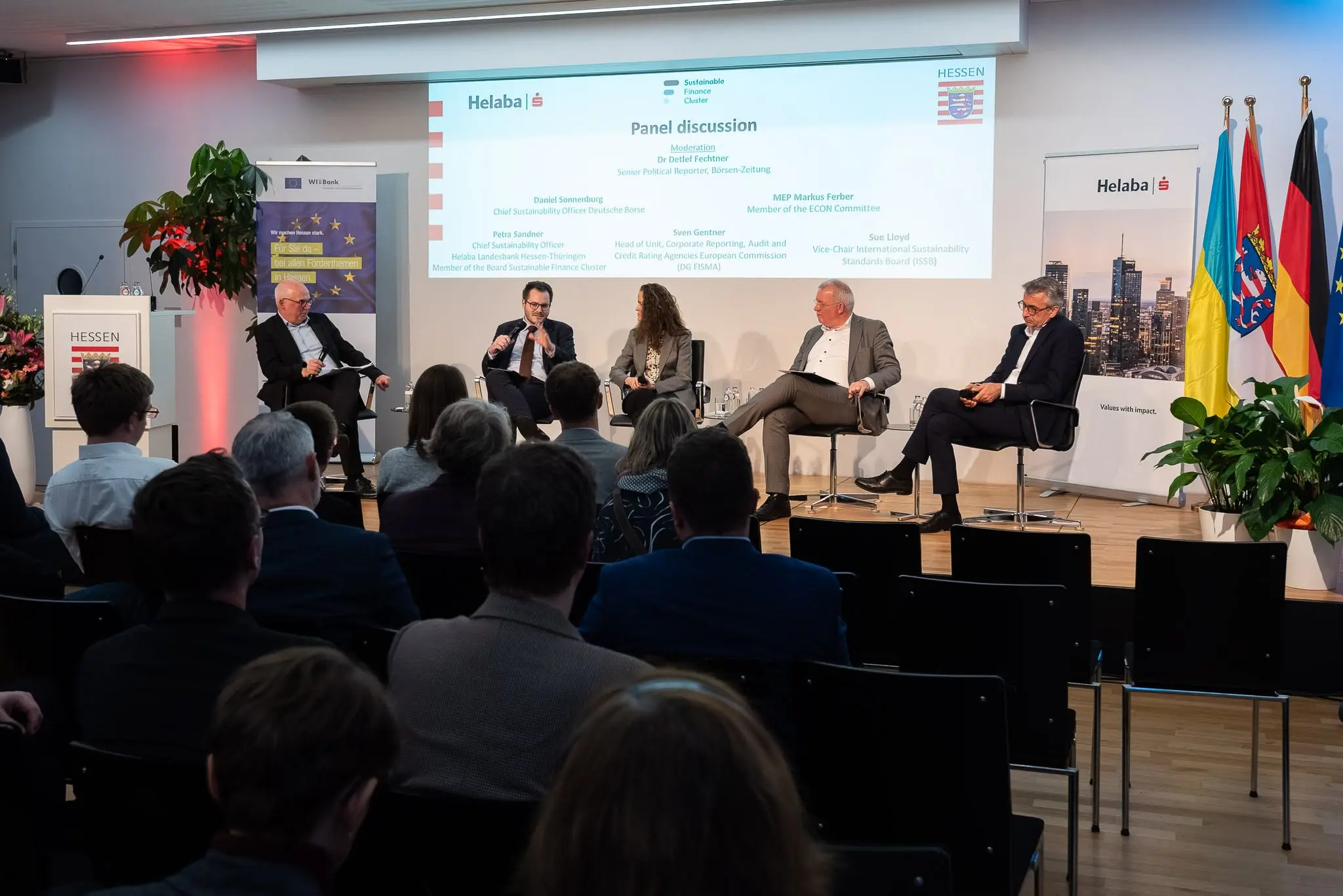
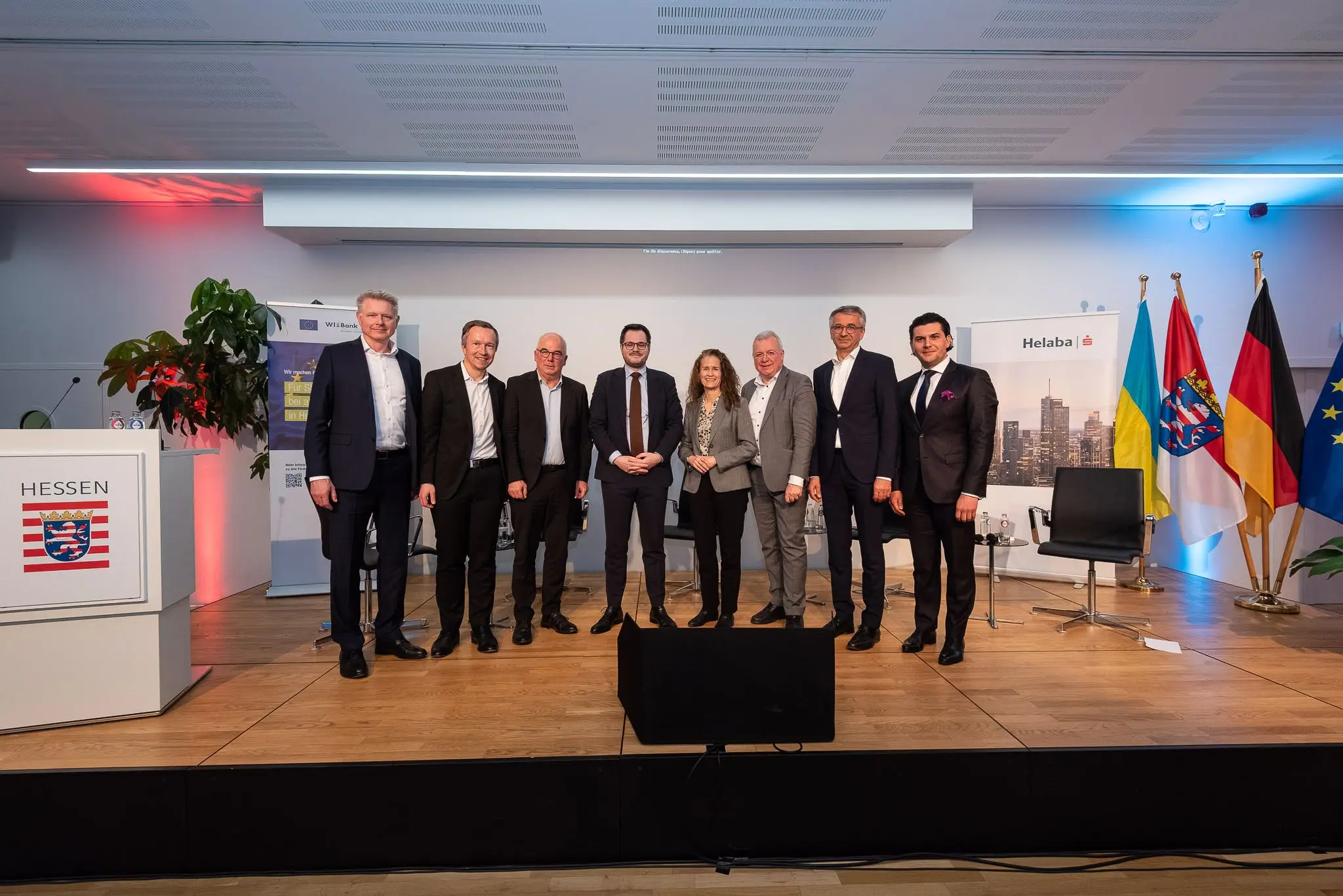
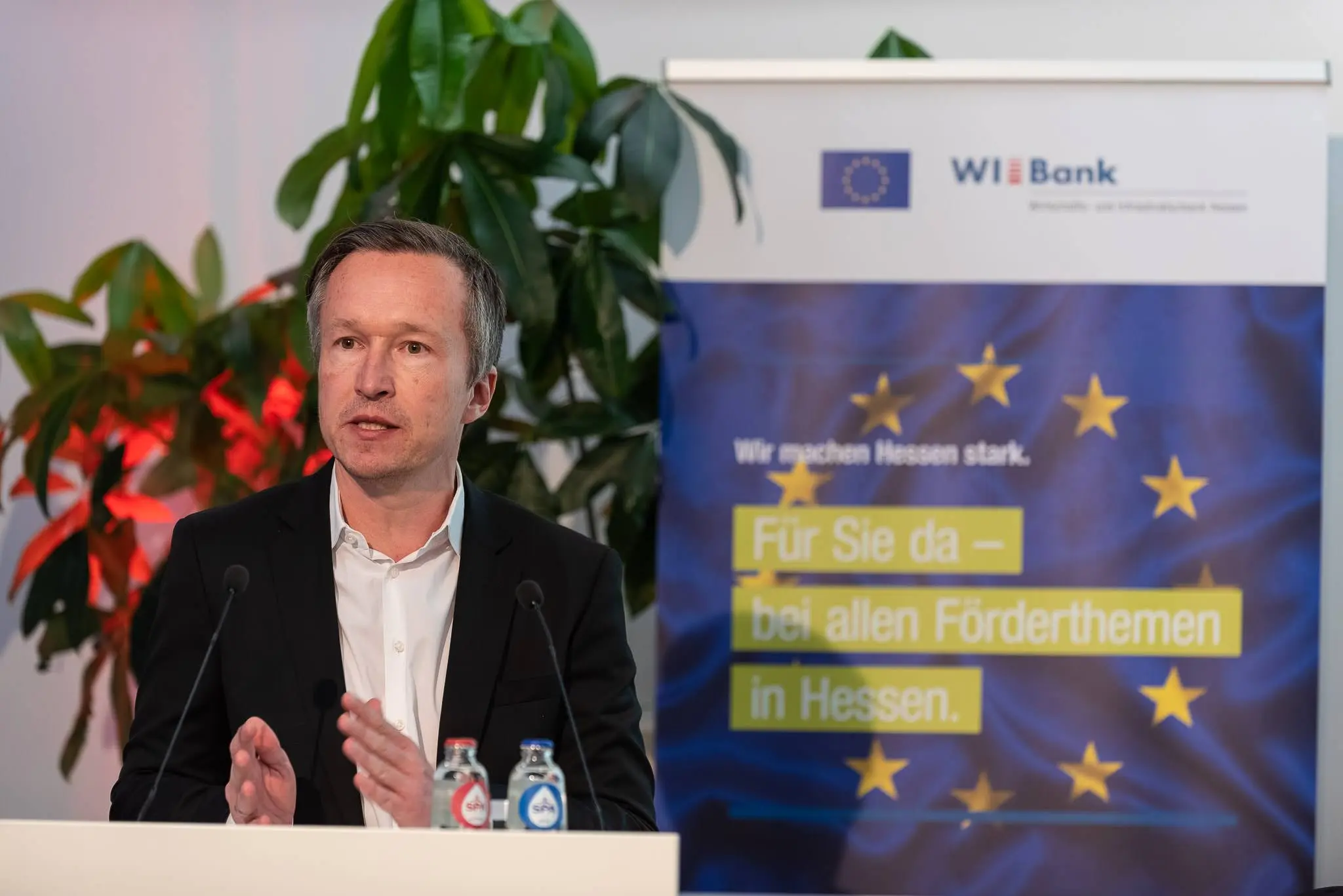
On March 25, we met in Brussels with our partners Helaba, WIBank, and the State of Hesse to discuss the future of sustainability reporting in Europe. The discussion focused on how reporting can be simplified without compromising quality or international comparability.
The discourse clearly showed that the planned Omnibus I reforms will fundamentally transform the market. In the future, many companies will be able to choose more flexibly between standards such as ESRS, GRI, or ISSB, while regulatory requirements for SMEs will be reduced. At the same time, the panelists – Markus Ferber, Sven Gentner, Sue Loyn, Daniel Sonnenburg, and Petra Sandner – emphasized the importance of high-quality ESG data, global comparability, and practical regulation.
In summary, the event highlighted that effective sustainability reporting is a strategic success factor for Europe’s competitiveness and green transition.
Many thanks to Jurica George Miketa for his hospitality in Brussels, and to Dr. Detlef Fechtner for his excellent moderation.
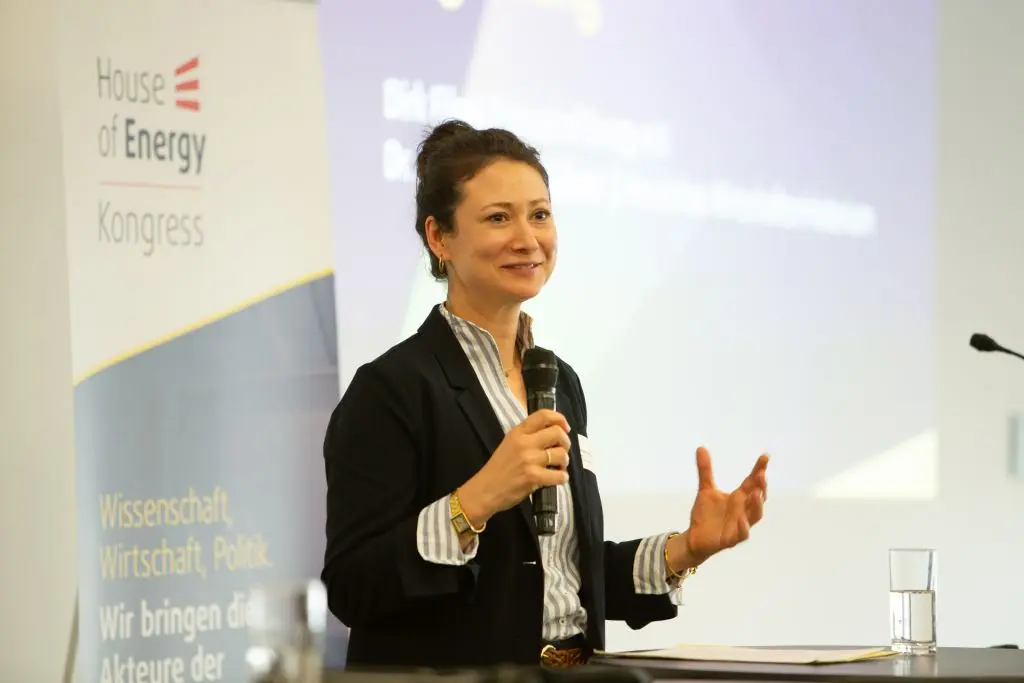
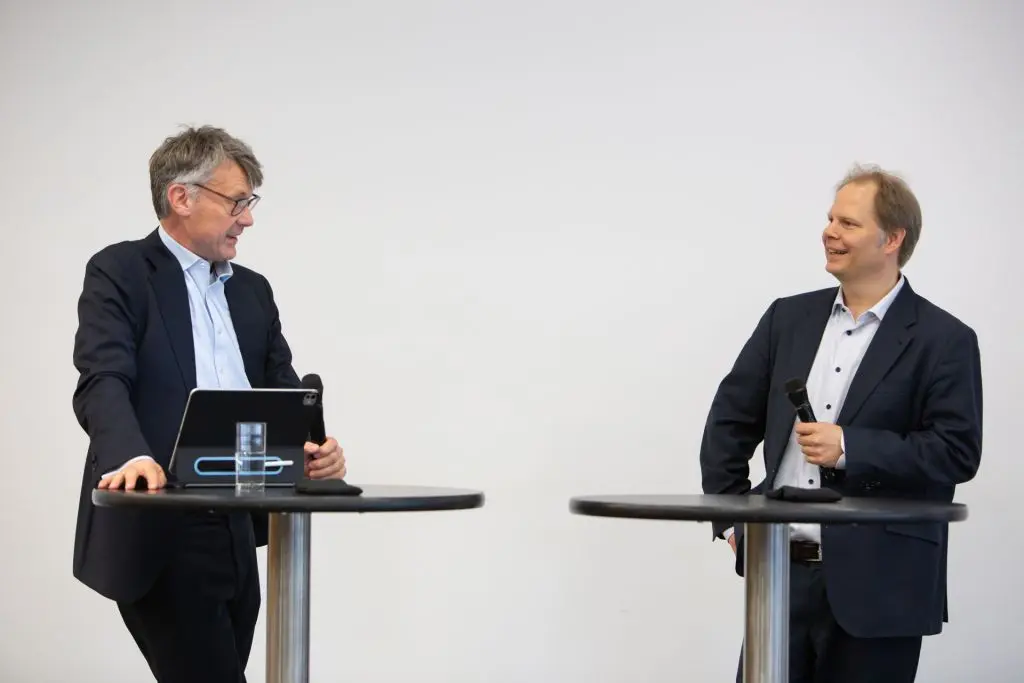
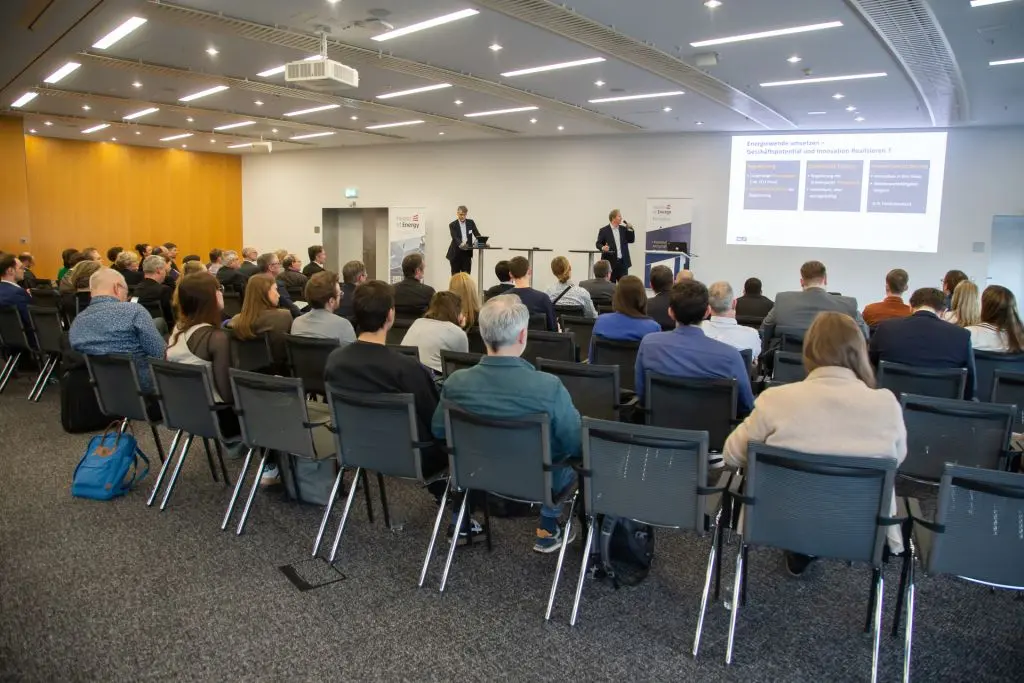
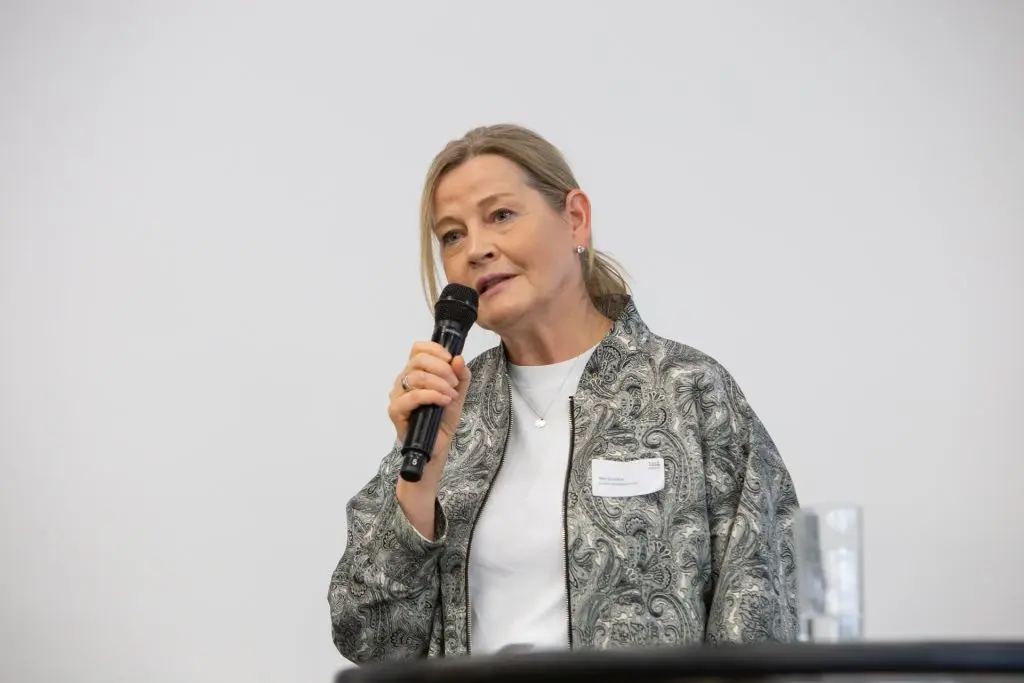
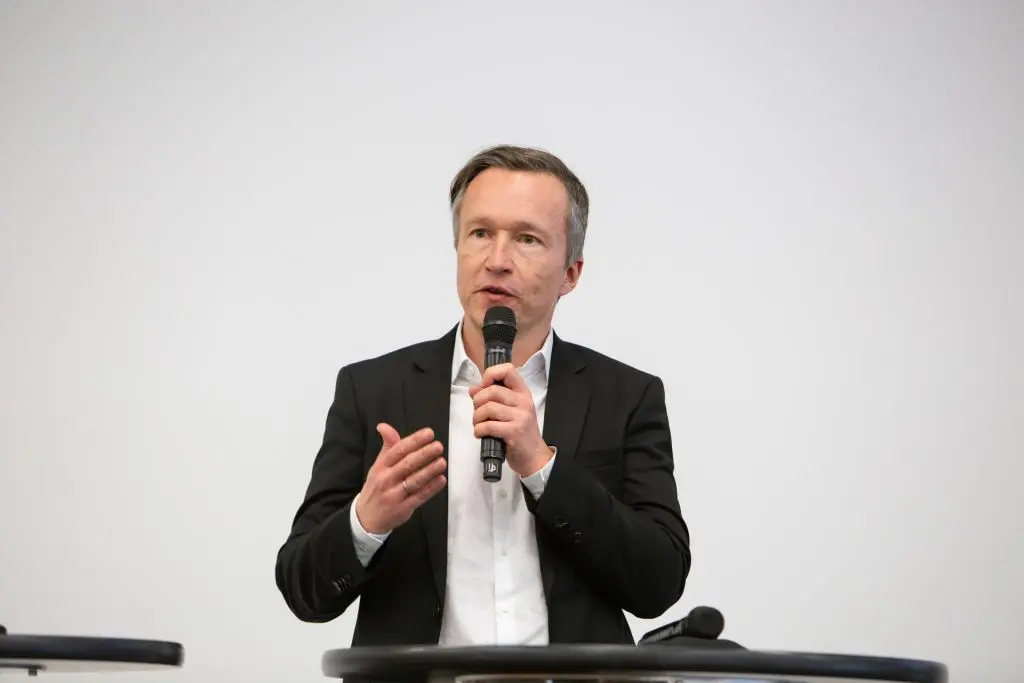
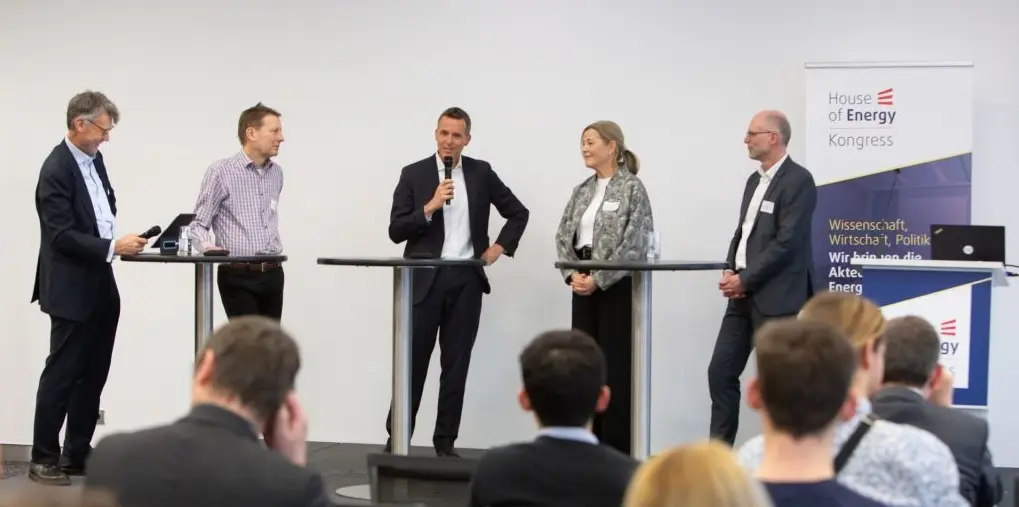
12.03.26: Forum EnergieTransformation: Finance meets Energy | House of Energy Kongress 2026
Energy Transition = Finance Transition: When Financial Services and the Energy Sector Develop Solutions Together
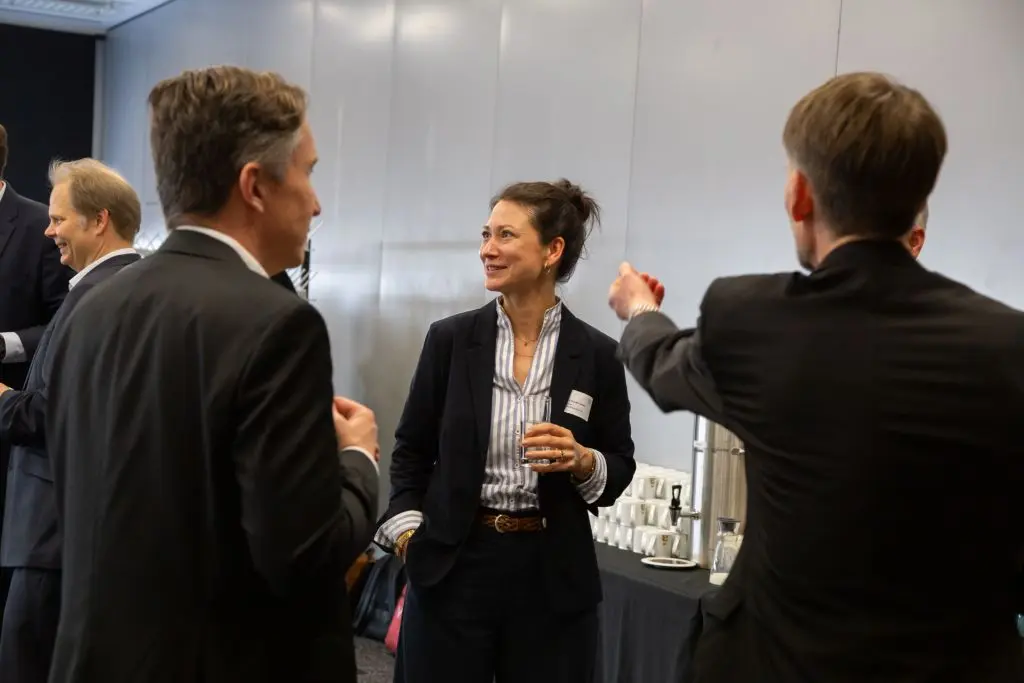
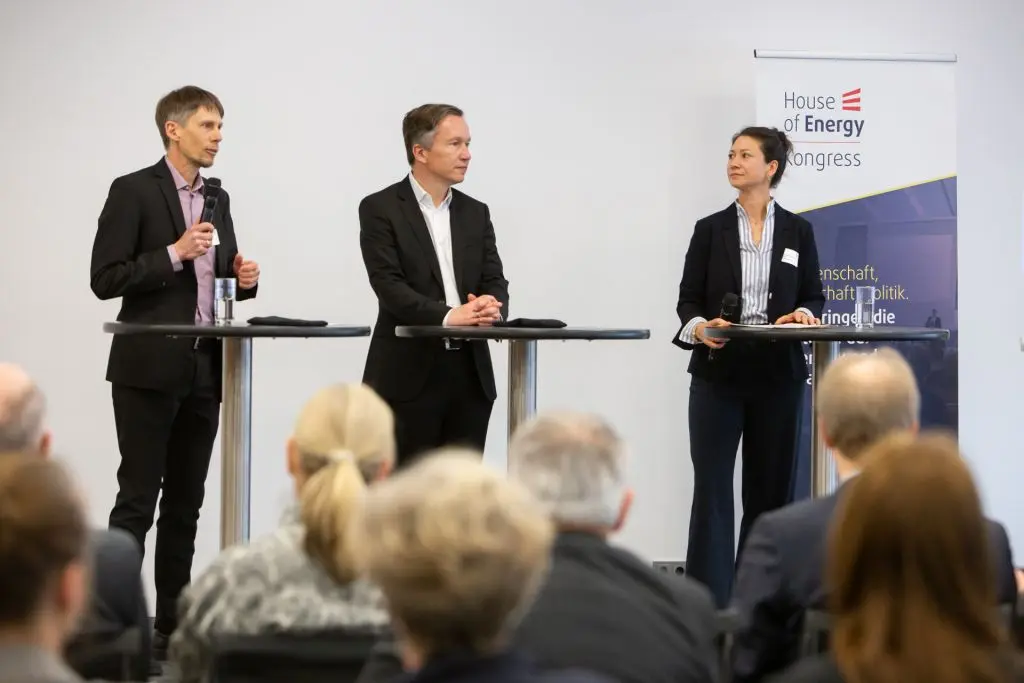
On March 12, 2026, around 60 representatives from the financial and energy sectors came together at the Forum EnergieTransformation in Frankfurt – with a clear goal: to develop concrete financing solutions for the urgently needed expansion of electricity distribution networks.
The central challenge: The modernization of our ailing energy infrastructure requires massive investments. Municipal energy suppliers in particular face significant financing gaps that cannot be closed without private capital.
The energy transition can only succeed as a finance transition – together we are shaping the financing of an affordable, secure and sustainable energy future.
Special thanks go to all keynote speakers and discussants as well as our partners House of Energy e.V. and Hessian Ministry of Economics, Energy, Transport and Housing.
26-27.11.2025: Impact Festival
The Sustainable Finance Cluster contributed two key program elements as Content Partner of TechQuartier at Europe’s largest B2B event for sustainable innovation in Frankfurt. The event made one thing clear: Sustainable finance is far more than compliance – with the right balance of targeted regulation and innovative financing solutions, it becomes a driver for growth.
Former Federal Minister of Finance Dr. Jörg Kukies opened with a keynote on the current situation of sustainable finance in Germany. He emphasized that the Omnibus process can help protect small companies from excessive bureaucracy, while harmonization between CSRD rollback and the demands of ECB/EBA is necessary. In the subsequent panel, Petra Sandner (Helaba), Jürgen Kern (KfW), and Juergen von der Lehr (ING Deutschland) discussed central questions of transformation finance, moderated by Matthias Hübner. Their key message: Reliable data, structured customer engagement, and the strategic use of decarbonization as a competitive advantage are crucial for success.
In a practice-oriented masterclass, moderated by Dr. Lukas Figge-Muschalik, Sebastian Moser (DZ BANK) and Adrian Wons (Senken) shared their expertise on Voluntary Carbon Markets. For over 30 participants, they demonstrated how quality standards, carbon removals, and the central role of banks as risk managers are shaping the market.
We are looking forward to IMPACT FESTIVAL 2026 and further discussions on the future of sustainable financial markets!
24.11.2025: KfW´s Biodiversity Talks 2025
KfW hosted, together with the Sustainable Finance Cluster, VÖB, VfU, Global Nature Fund, and PwC Germany, this event for the German banking sector in Frankfurt. Over 100 experts came together to discuss concrete approaches for integrating biodiversity into banking processes. The event made one thing clear: Biodiversity is no longer a future topic – banks must act now, and they can.
Dr. Lukas Figge-Muschalik presented the Sustainable Finance Cluster’s 12-step Biodiversity Roadmap – a practical compass for strategy development and operational integration of biodiversity aspects. The roadmap provides banks with a structured path from strategic anchoring through data management to risk analysis and product integration.
In two breakout sessions, three key findings emerged: Biodiversity and land sealing must be made tangible and strategically prioritized. Pilot projects are essential to move from knowledge to action. Regulatory requirements remain a challenge but should not be used as an excuse.
Further inspiring contributions came from Katharina Lambsdorff, Patrick Weltin, Andrea Reuter, Dr. Miles Parker, Angela McClellan, Kristina Brennecke, Katja Kirchstein, Marianne Strunz, Nadine Henze, Dr. Sonja Stuchtey, Dr. Hubertus Pleister, and Caroline Barr.
The event demonstrated: The industry is ready for implementation – now it’s about taking concrete steps and creating positive examples.
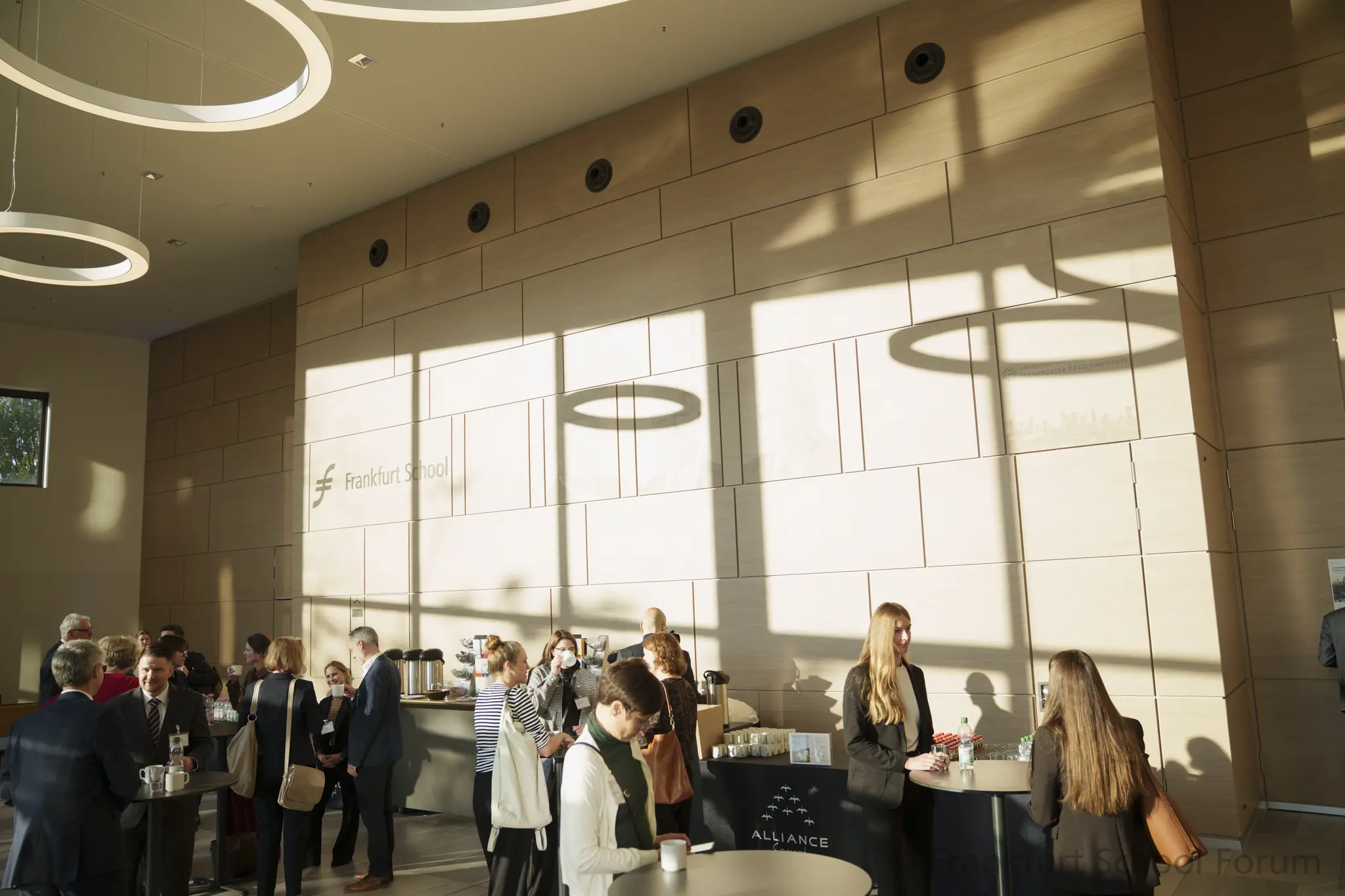
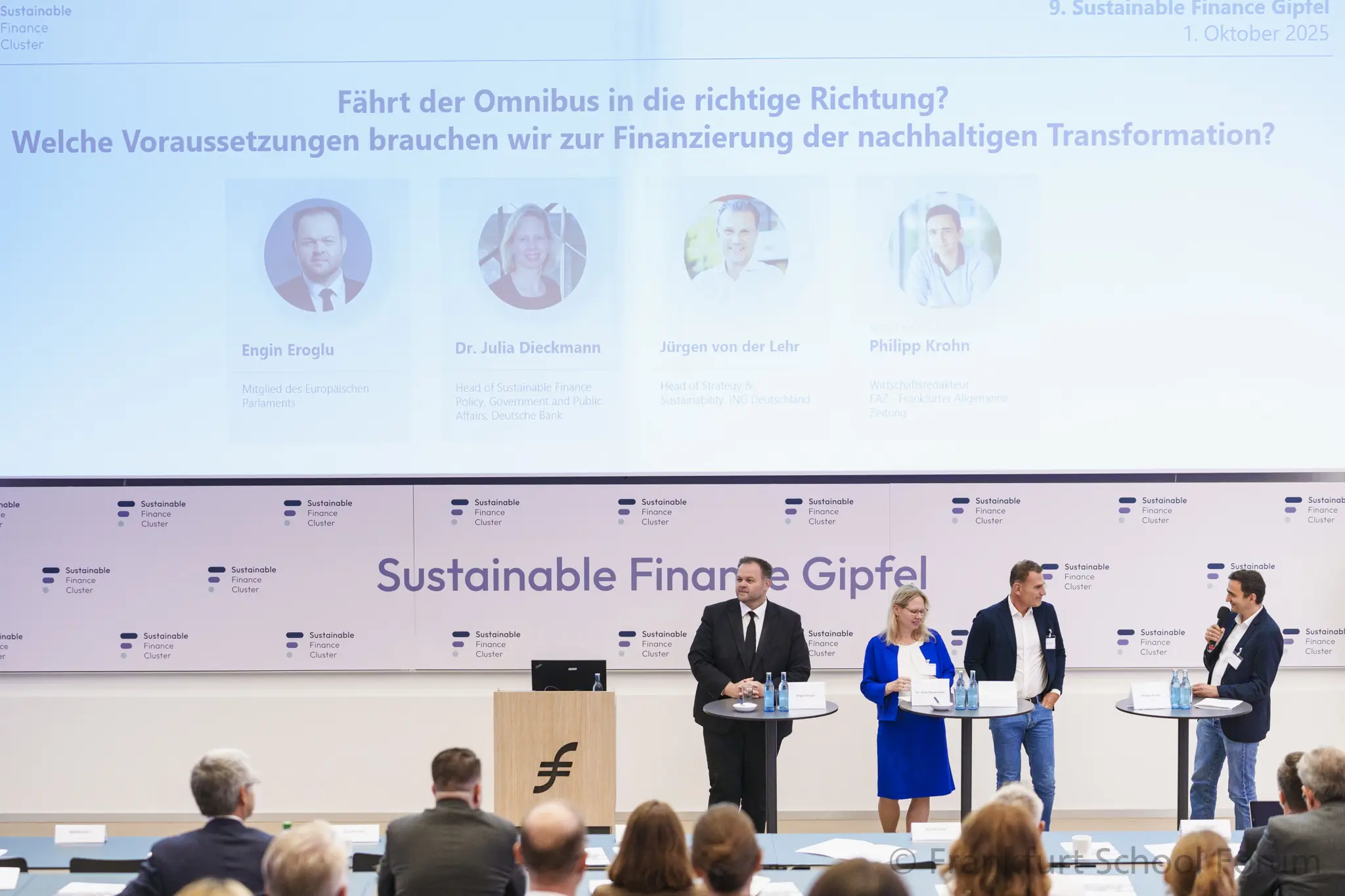
1./2.10.25: 9th Sustainable Finance Summit
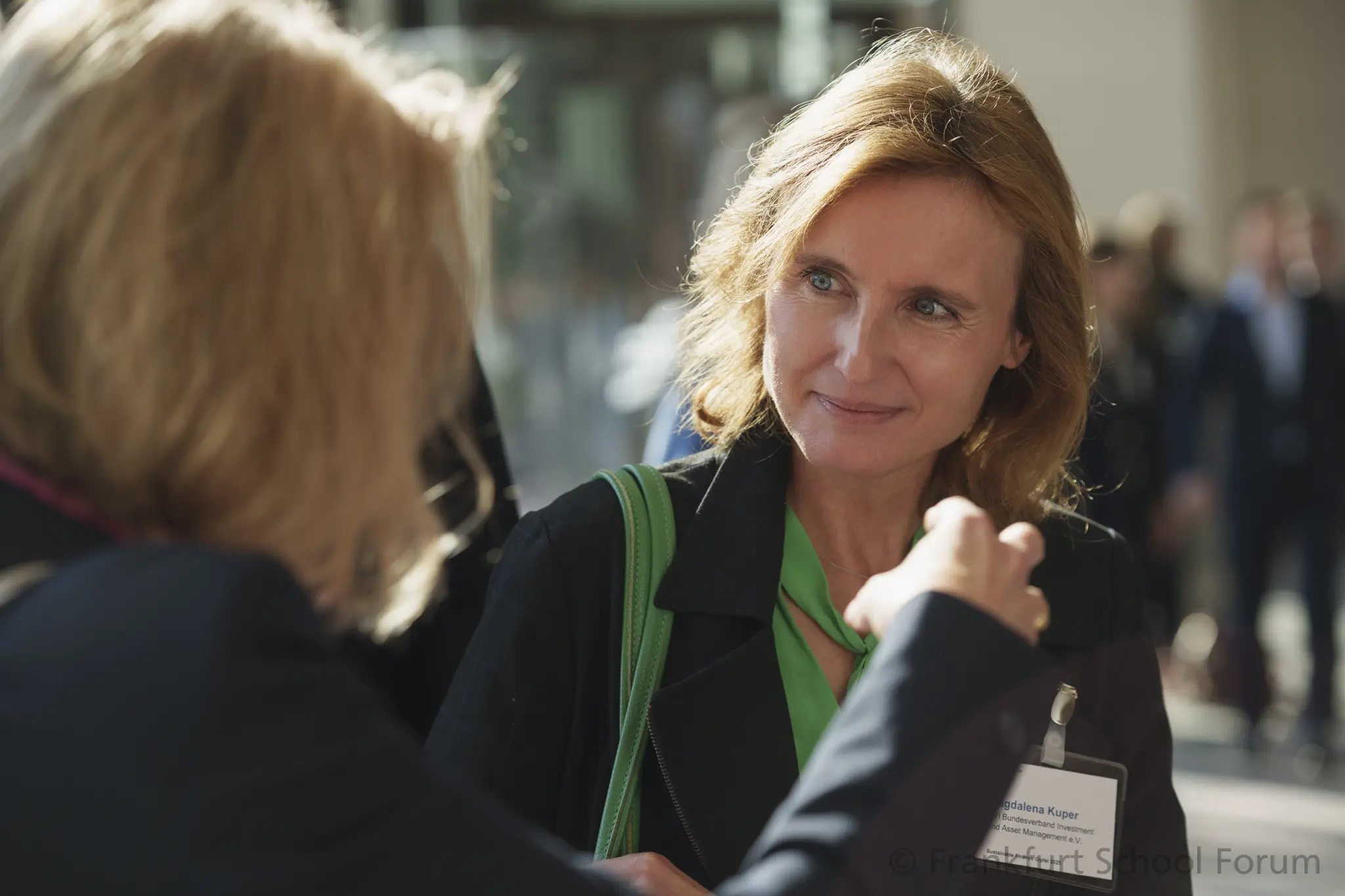
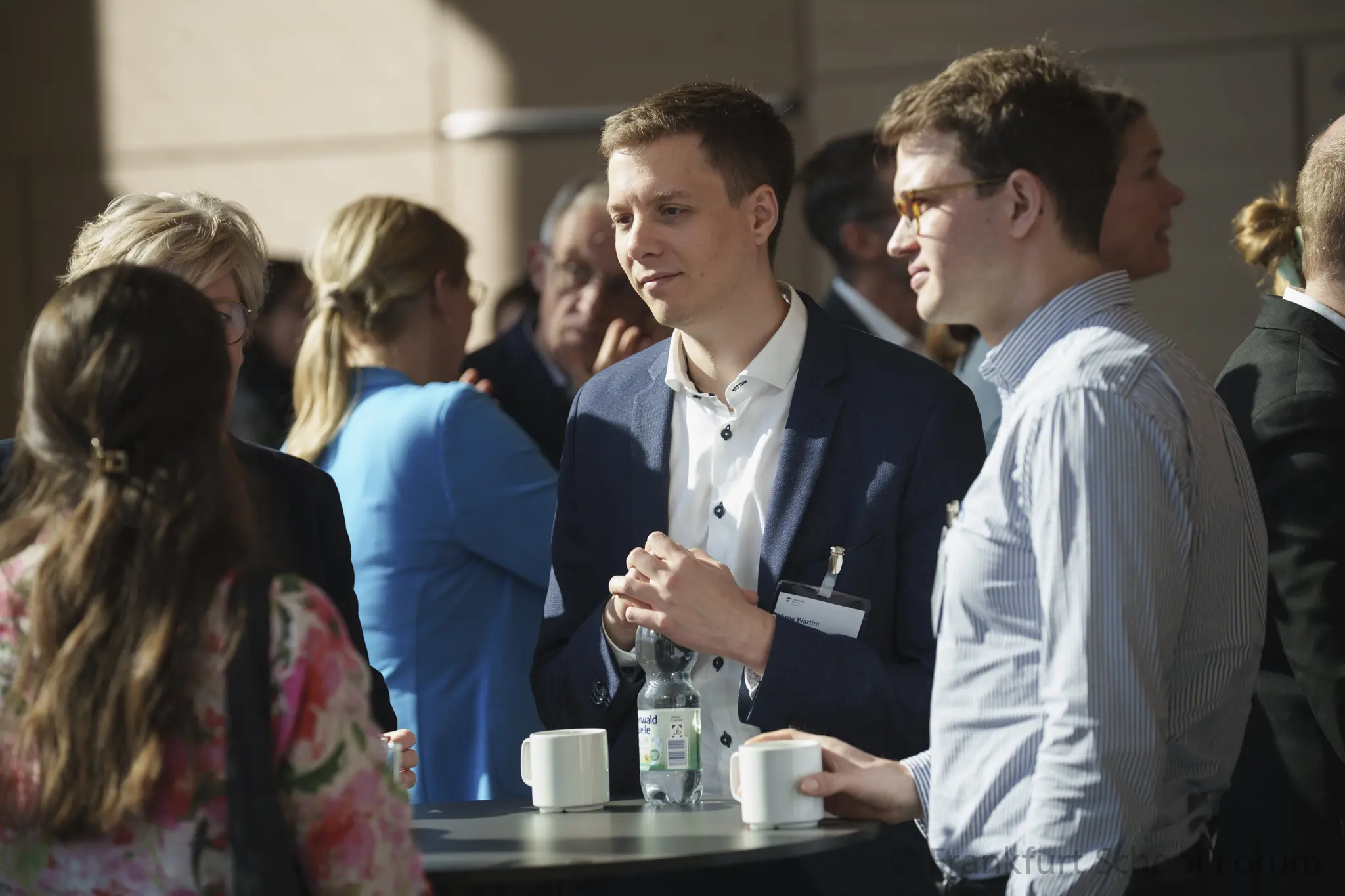
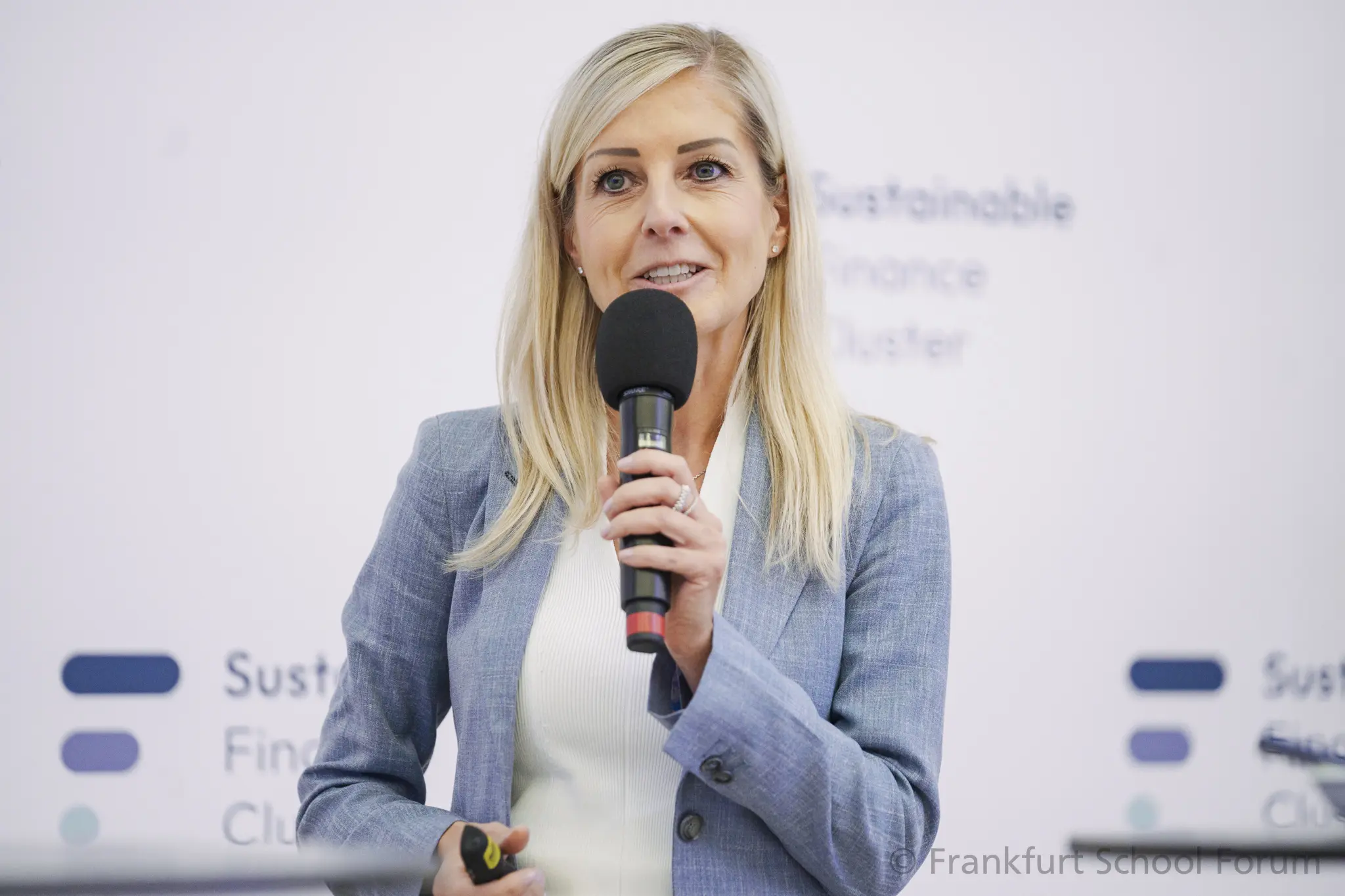
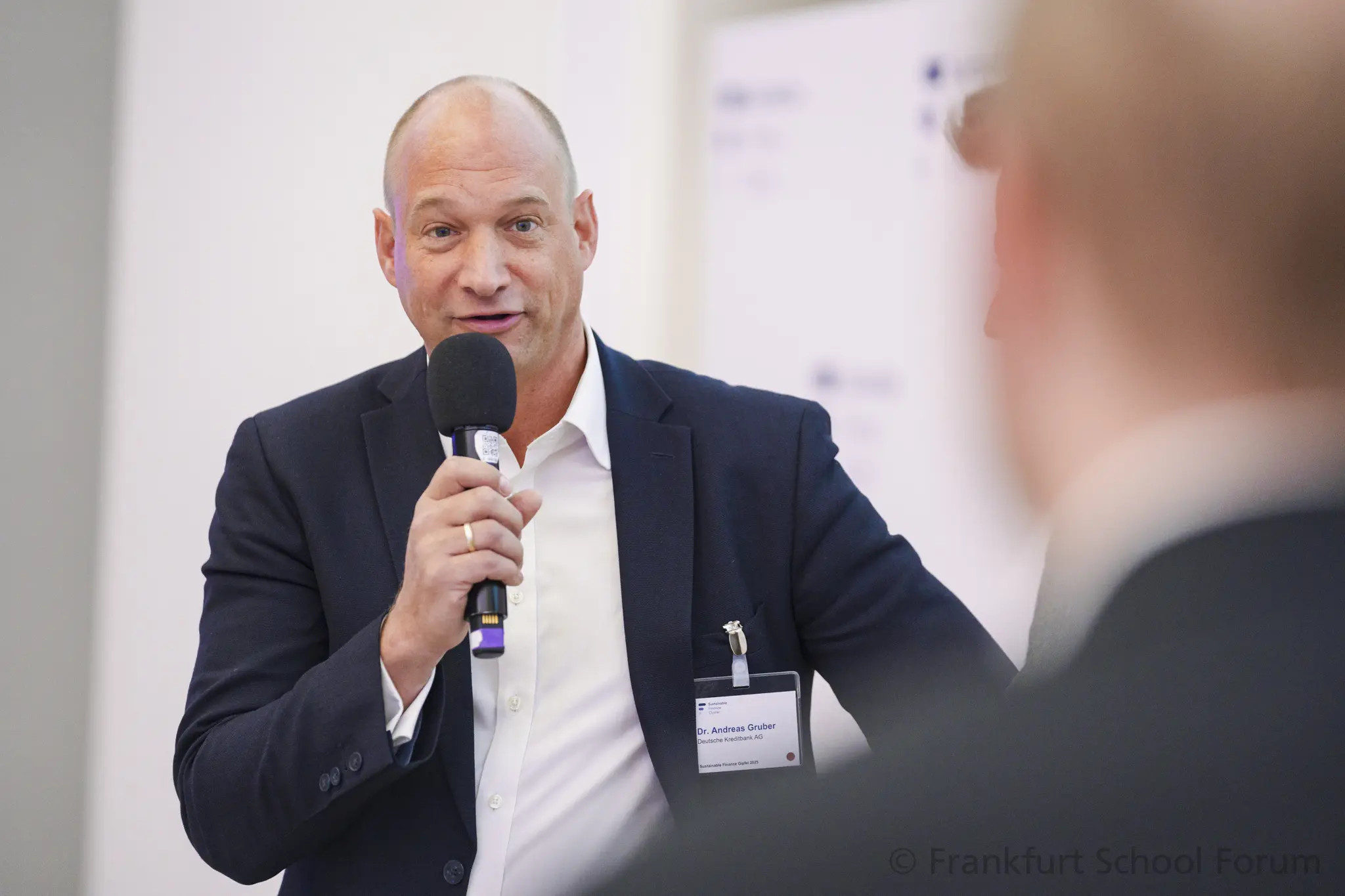
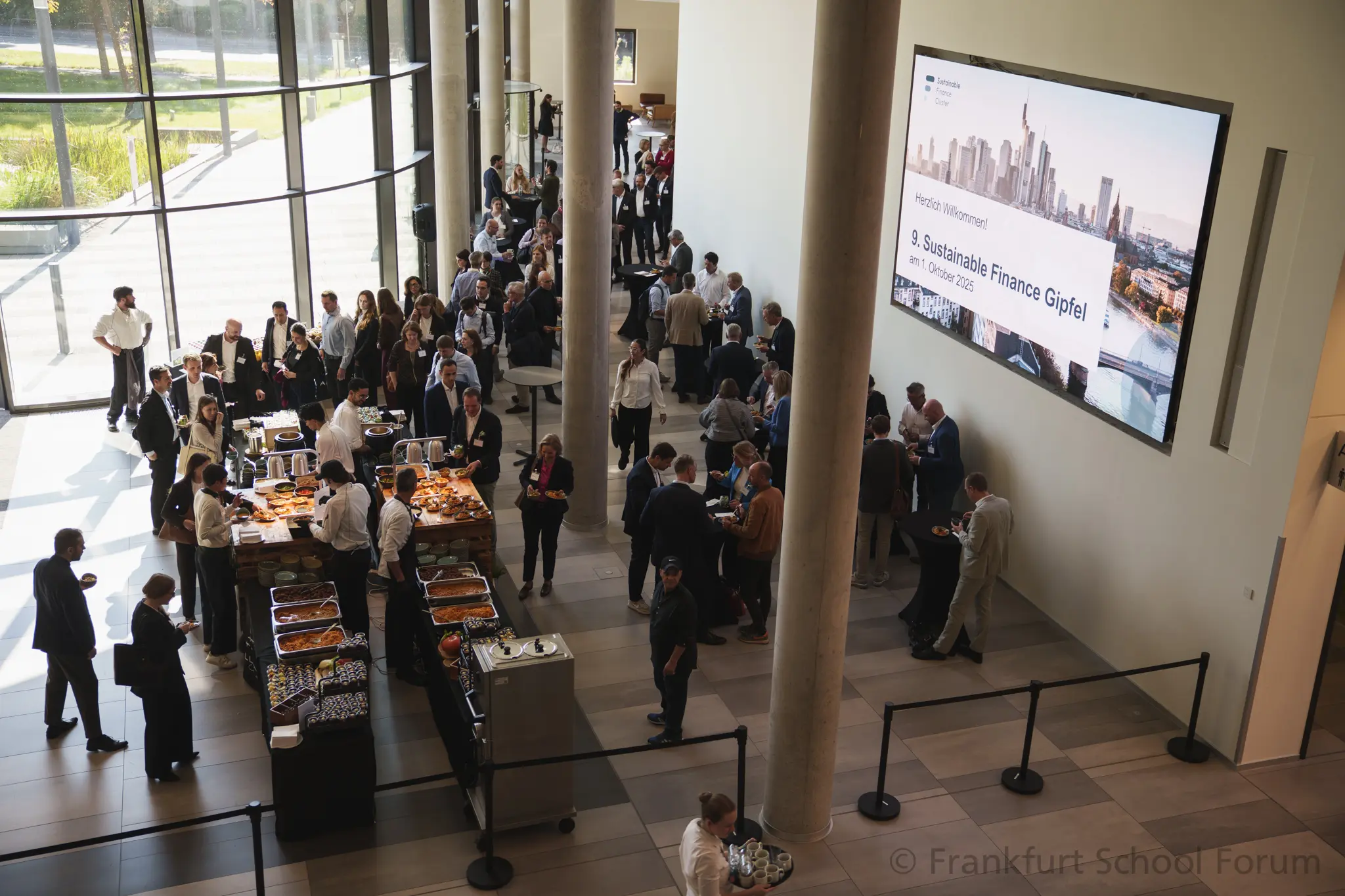
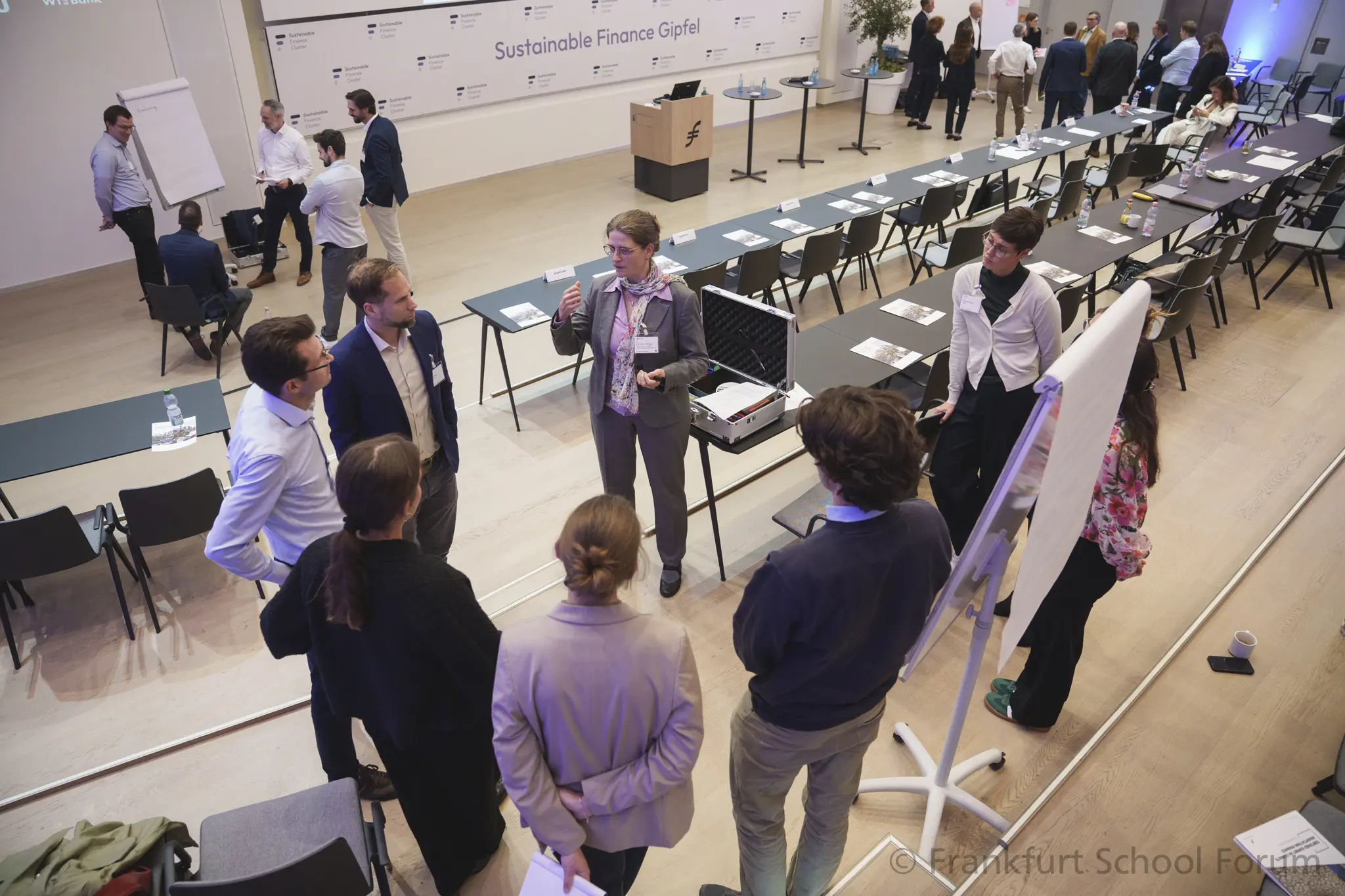
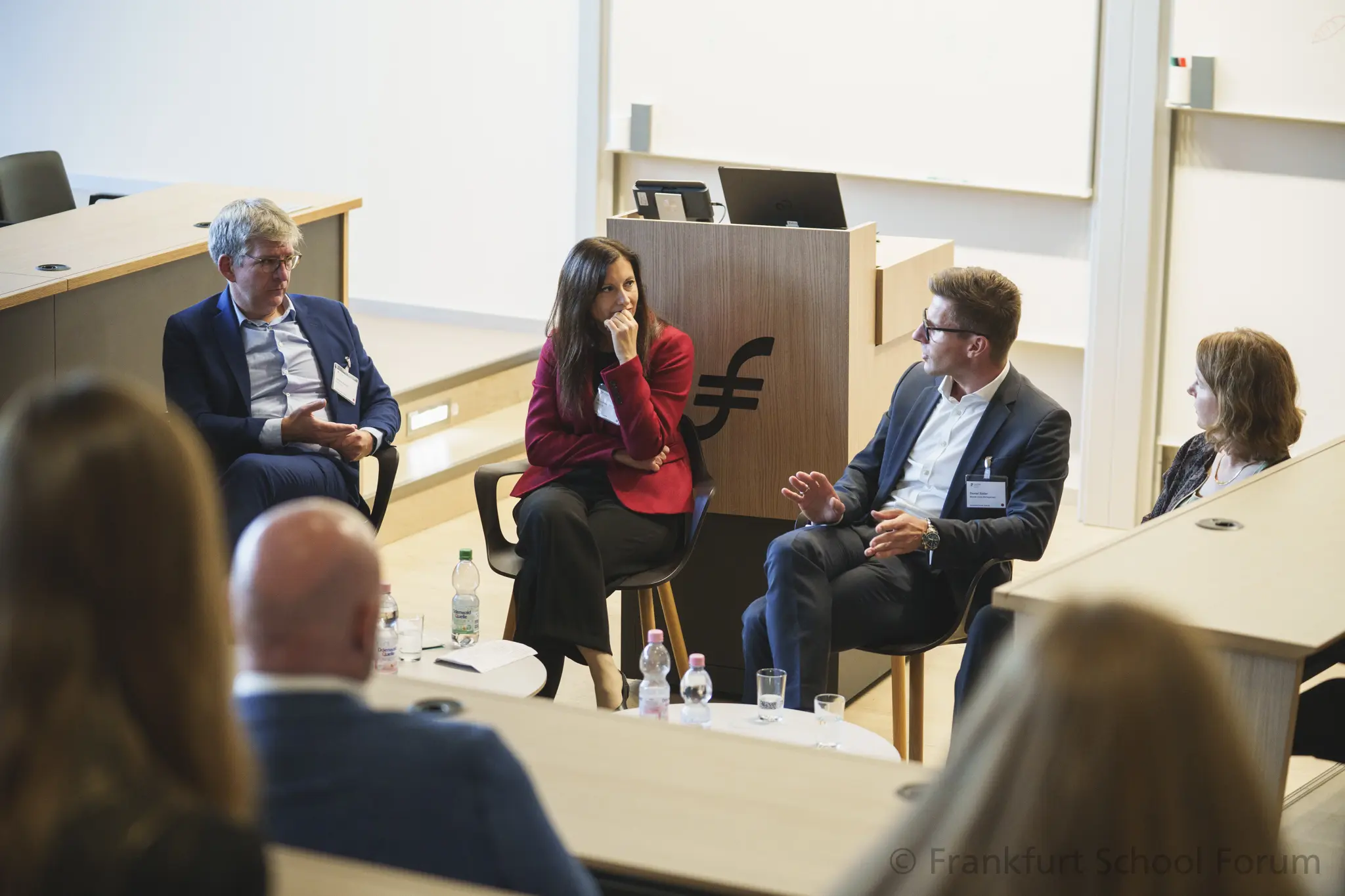
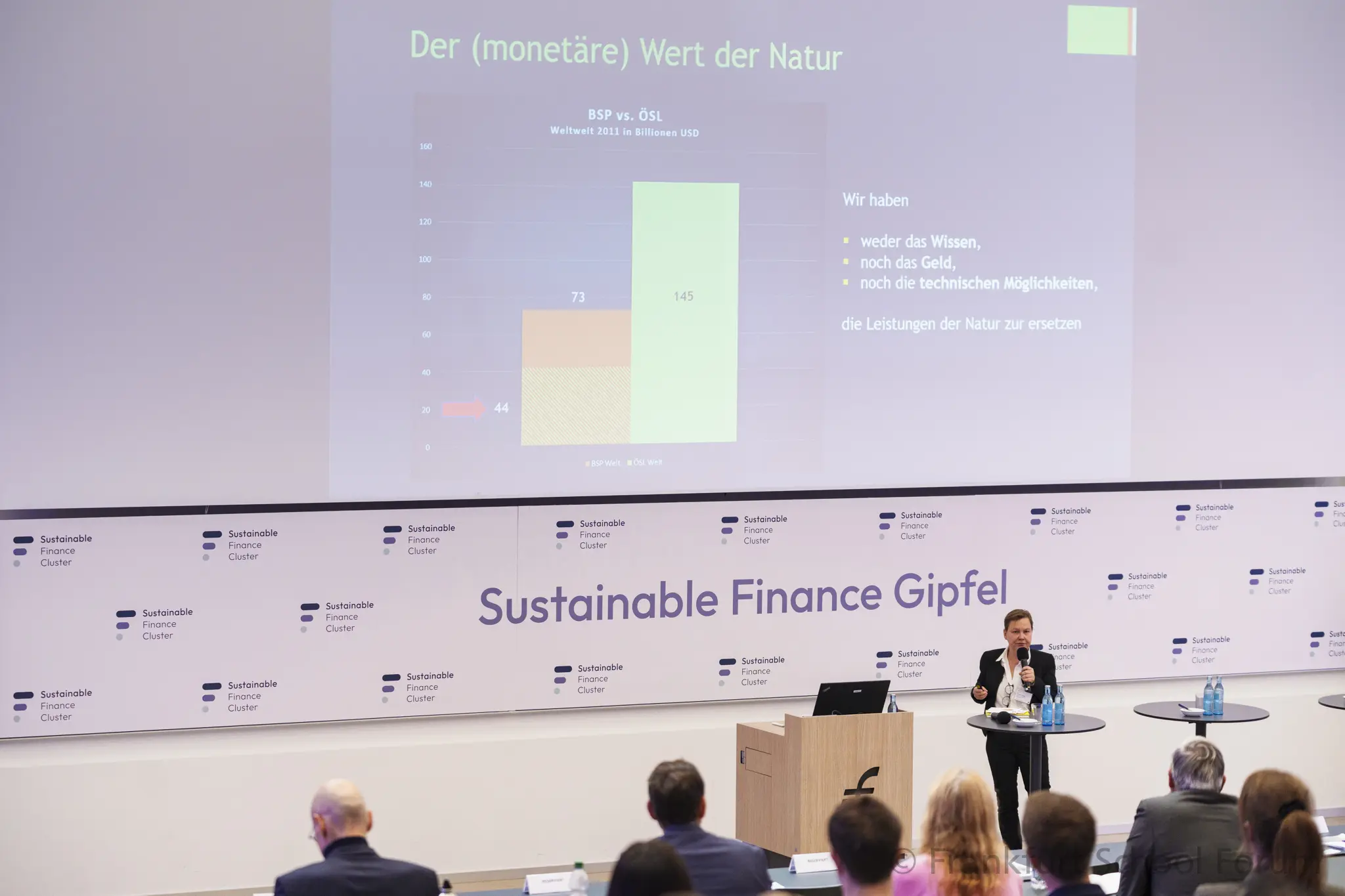
Under the motto “Sustainable Financing: Bridge between Financial and Real Economy,” approximately 500 experts came together to discuss the latest developments and challenges of Sustainable Finance and to develop concrete solutions for collaboration between companies and the financial industry.
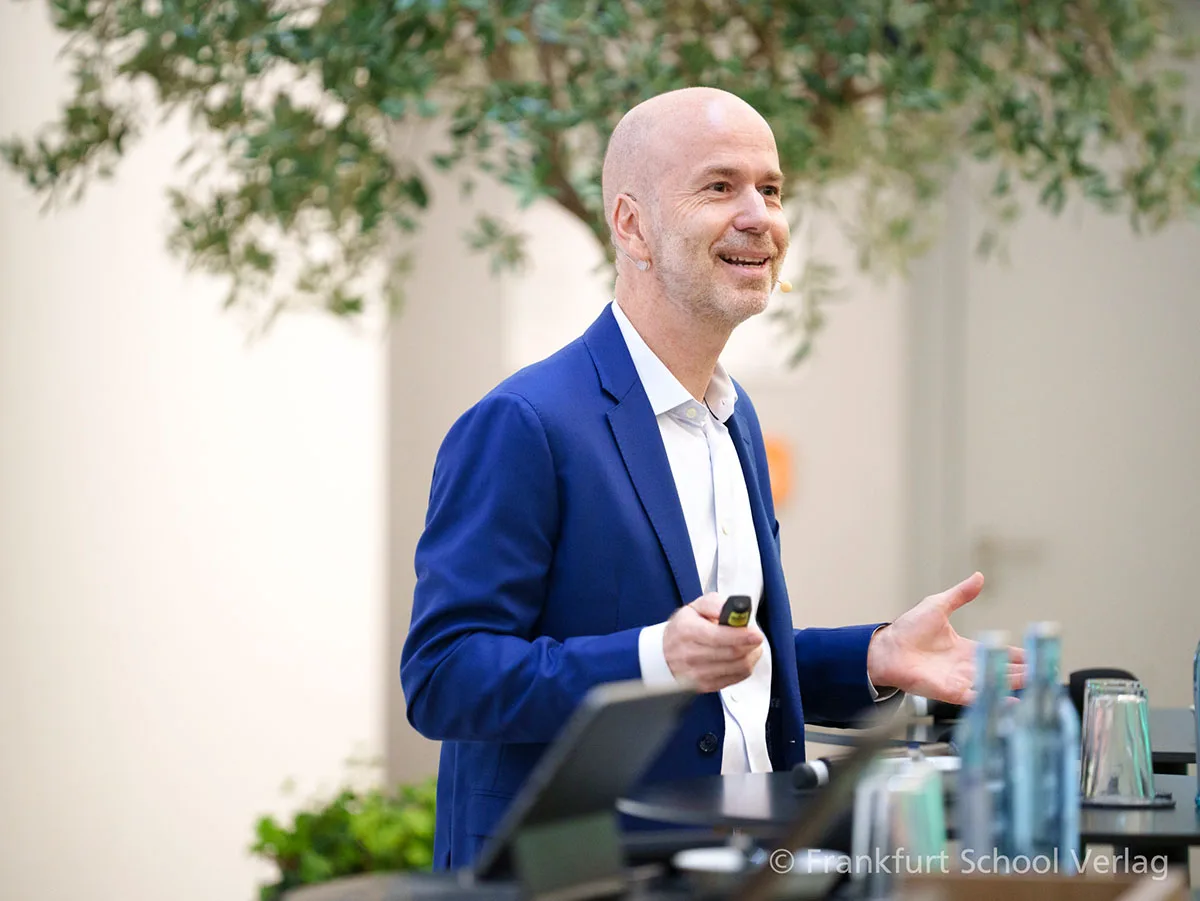
“There is an increasing recognition that Sustainable Finance is an important factor in the international competition for talent, institutional settlements, and assets,” said Matthias Hübner, Managing Director of the Sustainable Finance Cluster. “We need the business cases for Sustainable Finance. This is neither about altruism nor bureaucracy, but about doing good while making money.”
The two-day conference focused on central themes such as regulation, transparency standards, biodiversity, transition plans, sustainable investments, construction financing, CO2 certificate trading, and the transformation of the ‘Mittelstand’. The event offered a broad program of presentations, panel discussions, and workshops.
The event emphasized the urgency of the topic in times of regulatory uncertainty, ESG backlash, and geopolitical turbulence. A central conclusion of the summit is: Keep calm and carry on!

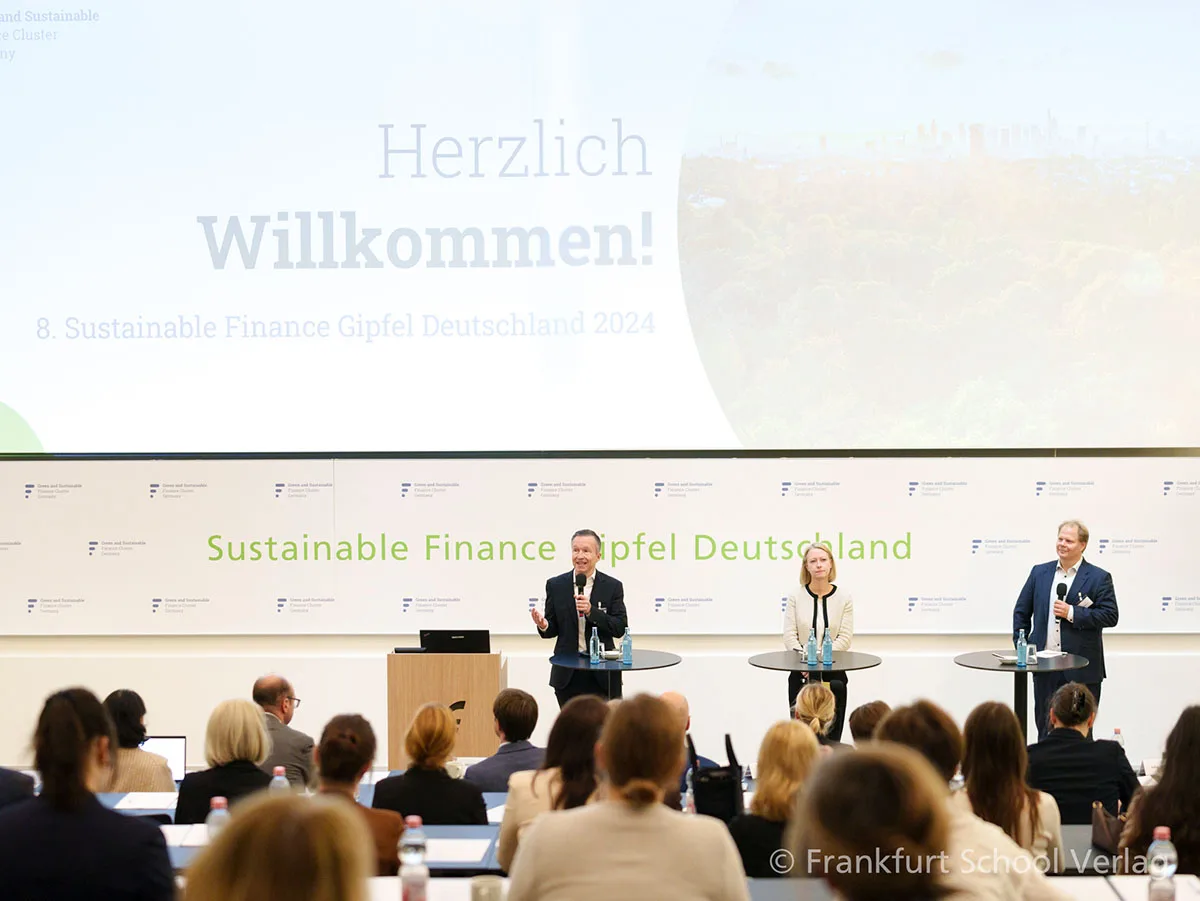
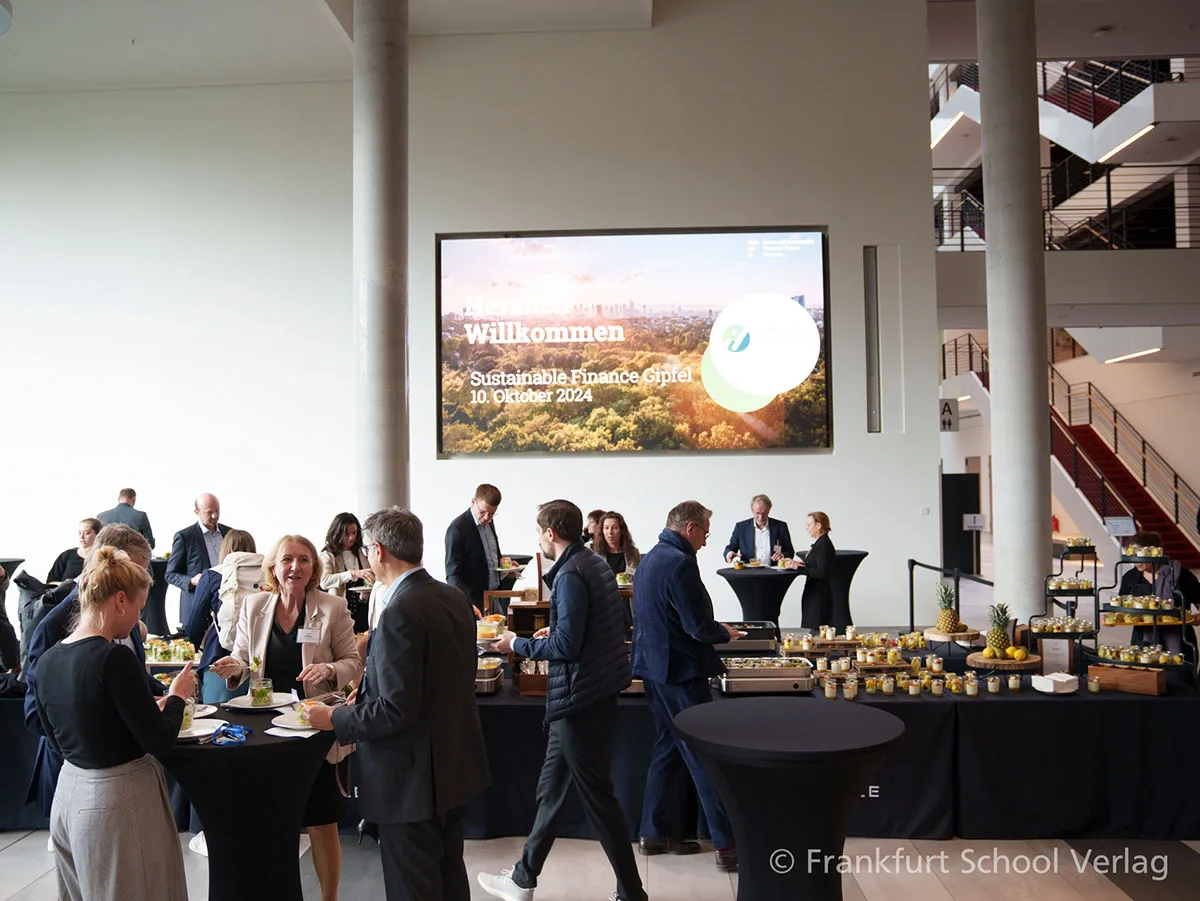
10./11.10.24: 8th Sustainable Finance Summit
The motto of the summit was “More impact, more change – sustainable finance in implementation”. Around 400 experts from the world of finance, business, research, politics and supervision came together to discuss the latest developments and challenges in the implementation of sustainable finance and to develop concrete solutions for practical implementation.
The summit, which took place for the 8th time annually, provides a platform for the exchange of expertise and experience on the design of a sustainable financial system. Particular attention was paid to the question of how financial players can implement the change towards greater sustainability in practice. It was discussed which targeted measures and innovations can be used to channel more financial flows into sustainable projects in order to accelerate ecological and social change.
Many of the speakers underlined the urgency of the topic and emphasized the importance of pragmatic cooperation between the real and financial economy. The conclusion of the summit is: the future of finance is sustainable – and the time to act is now!